
$195.00
Condition: Excellent
In stock
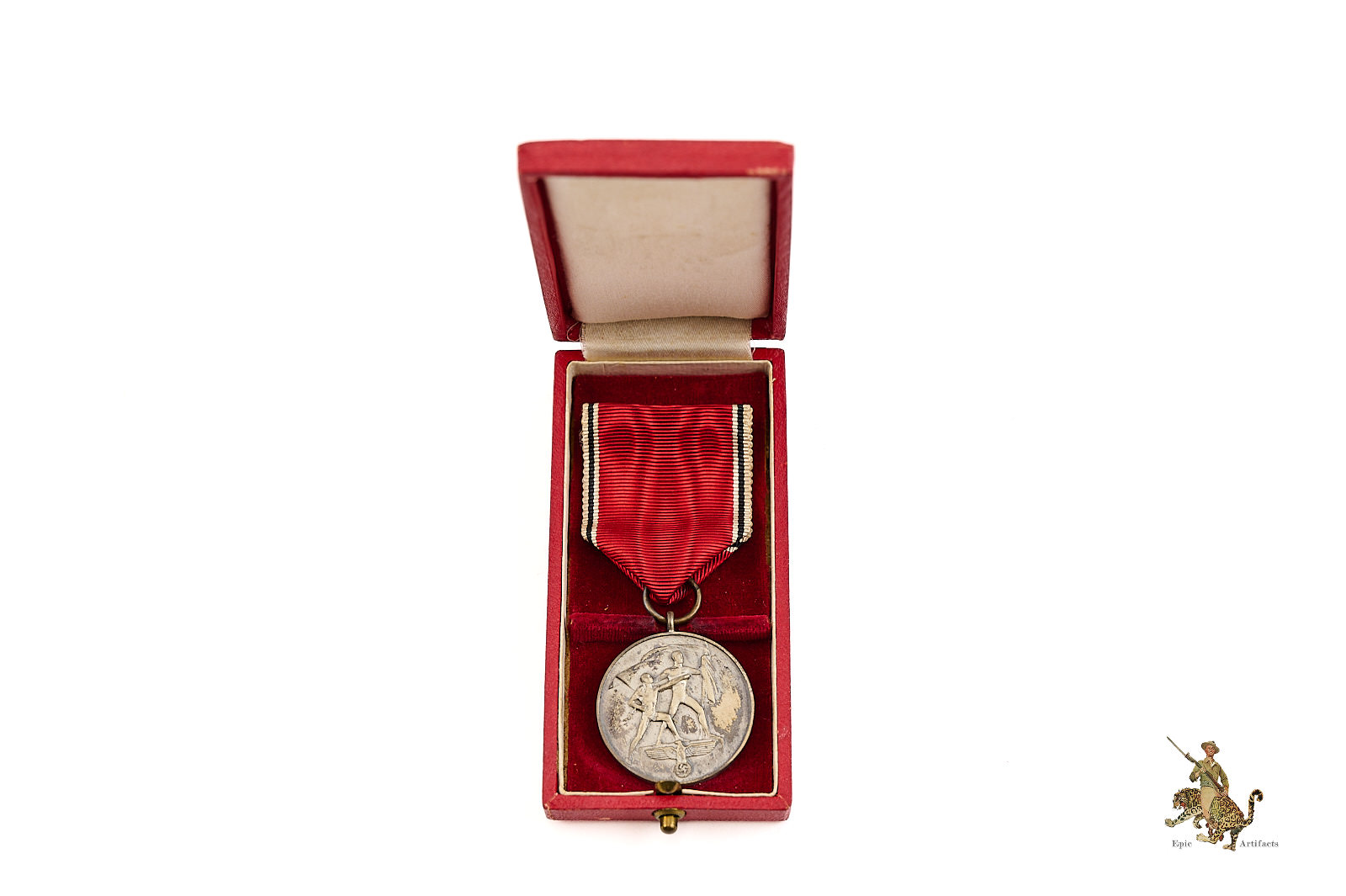
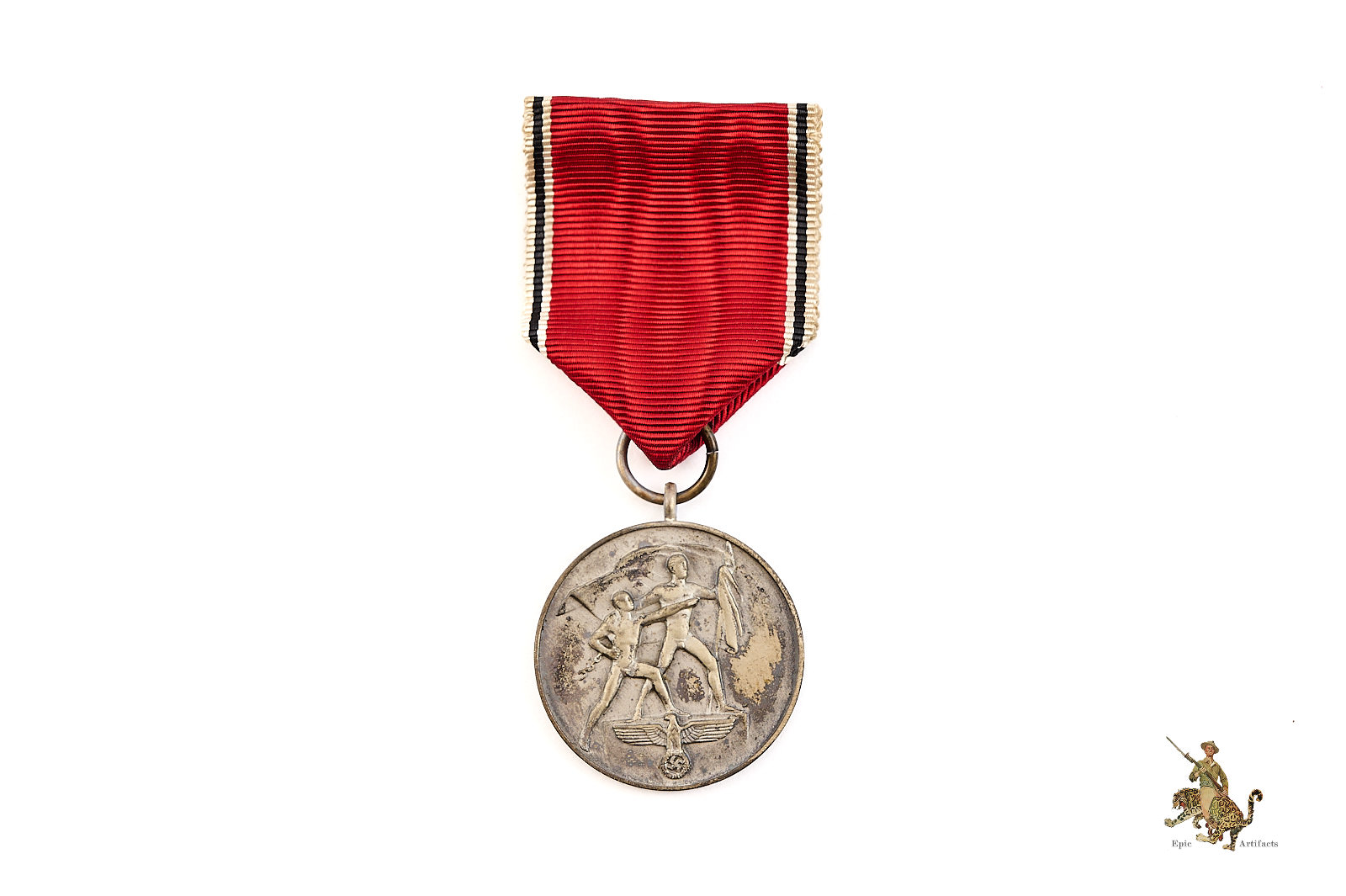
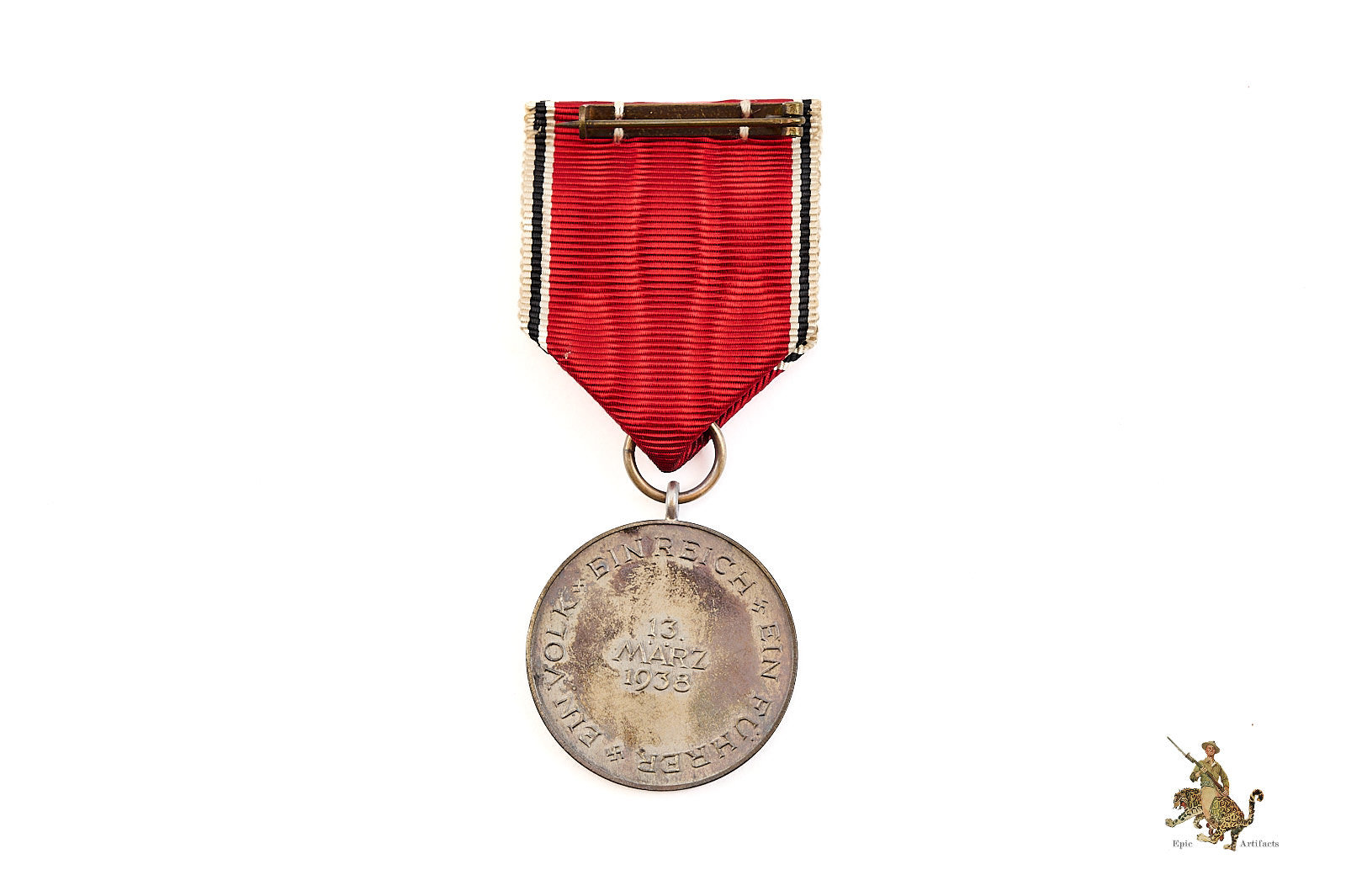
Product Description: A superb and exceptionally well-preserved Cased 1938 Austrian Annexation Medal, representing one of the most historically significant commemorative awards of the pre-war Third Reich period. Struck in high-quality tombak construction typical of early wartime manufacture, this medal exhibits the refined craftsmanship and brilliant finish highly sought after by advanced collectors of German WWII awards and political decorations.
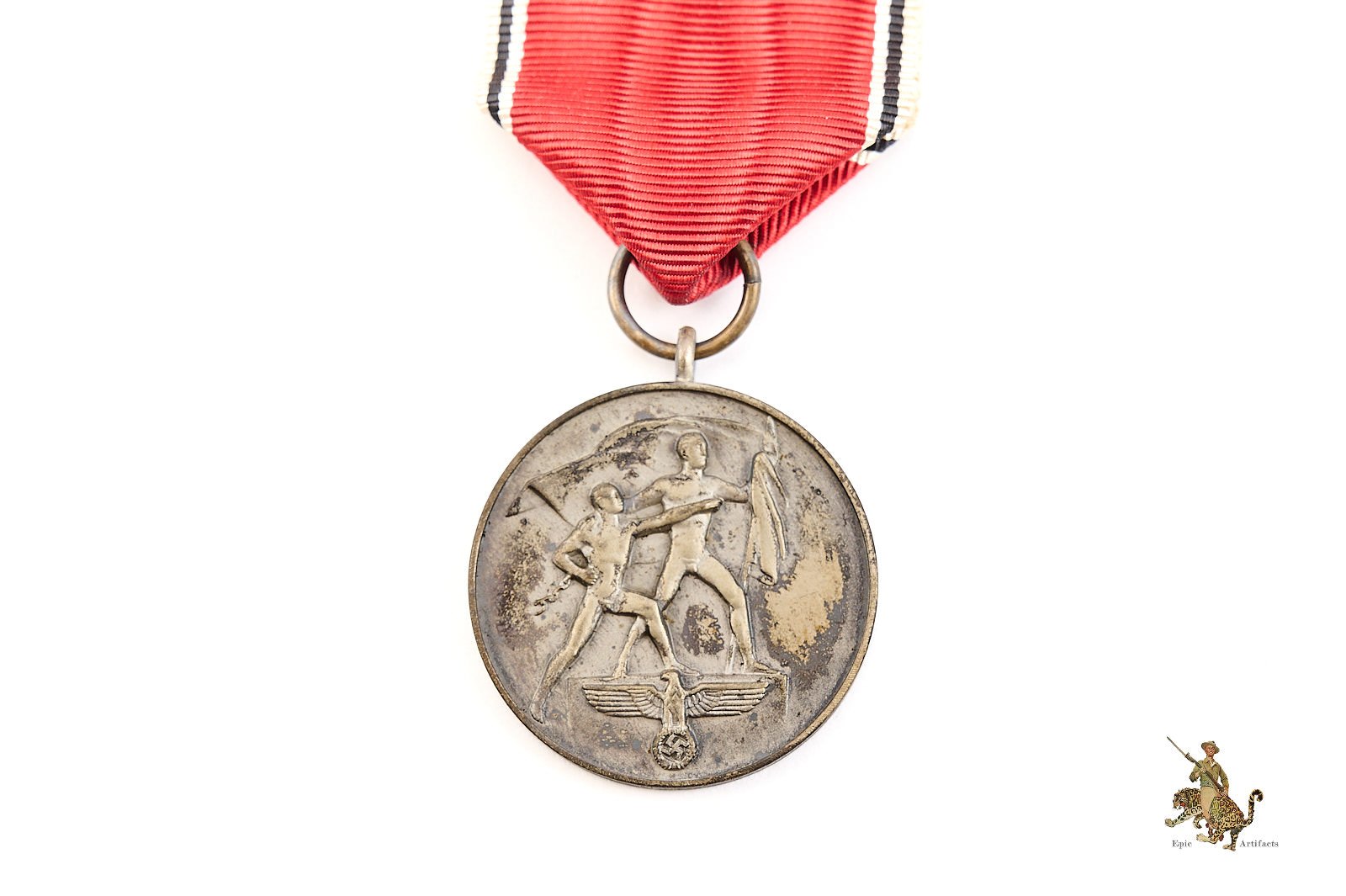
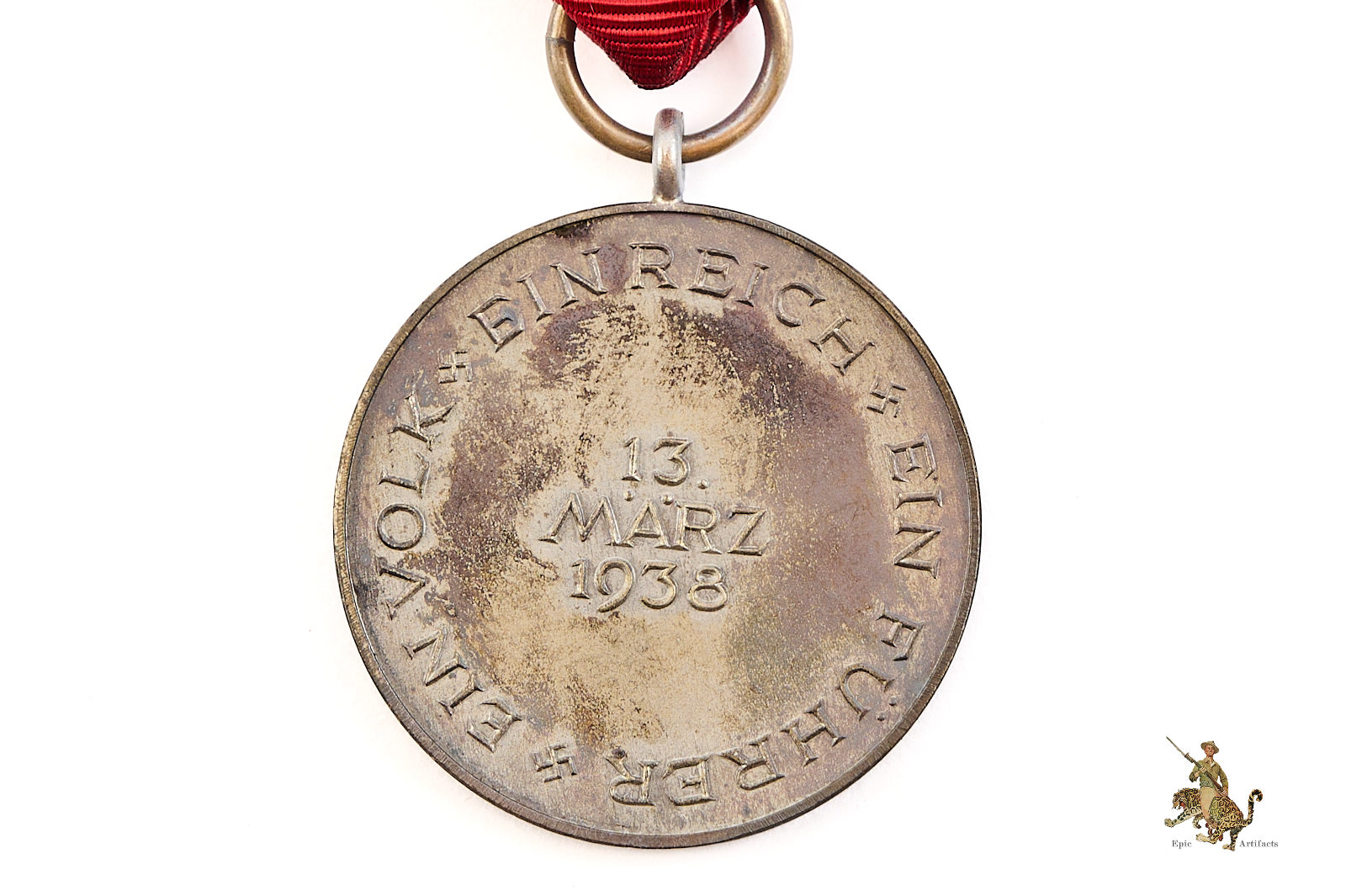
Both obverse and reverse surfaces retain outstanding original silver coloration and vibrant mint luster, with only minimal scattered handling marks and the faintest trace of age toning. The sharply defined detail remains fully intact throughout, preserving the crisp artistry and elegant presentation characteristic of premium pre-war examples. The original suspension ring remains firmly attached.
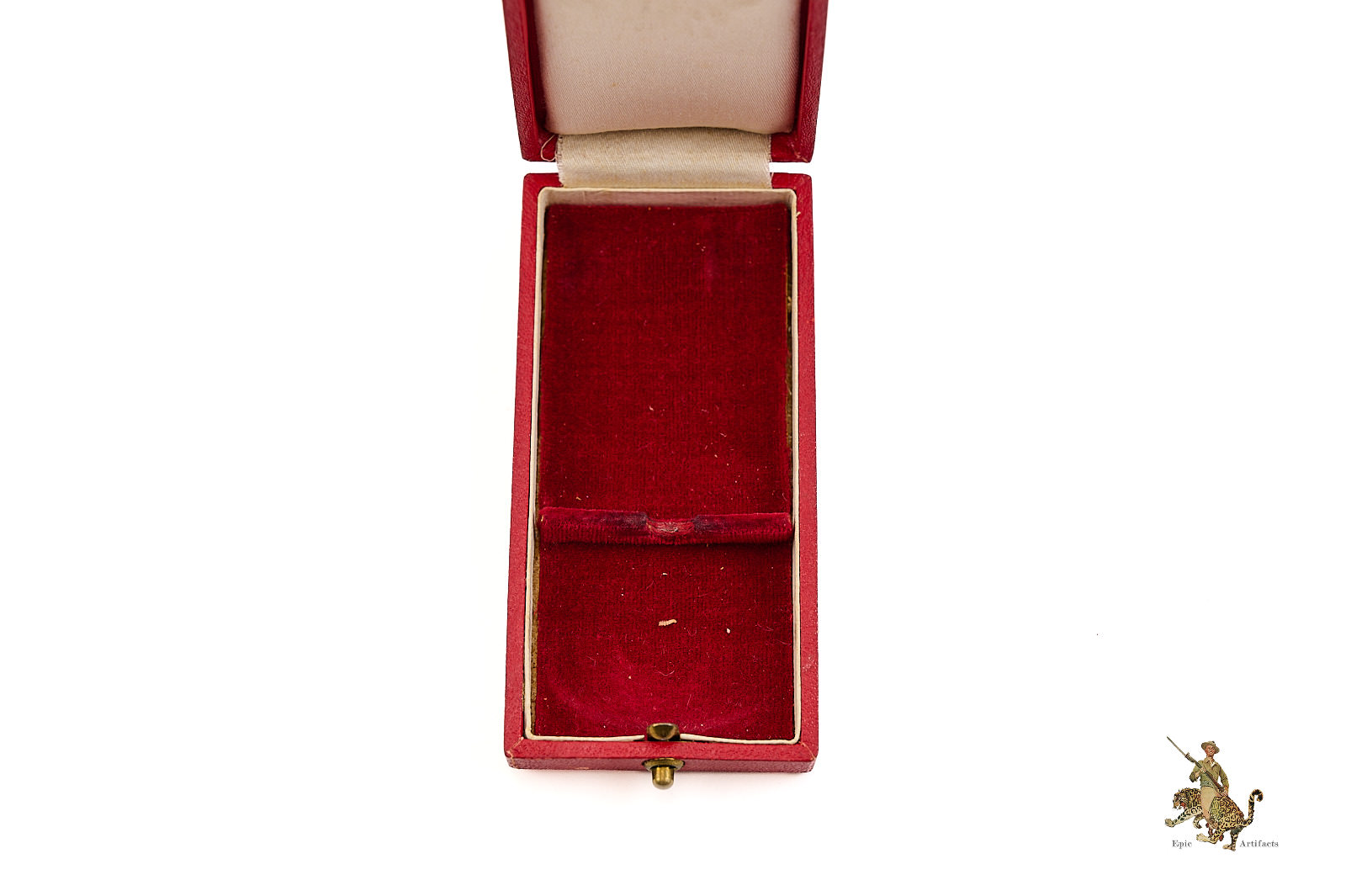
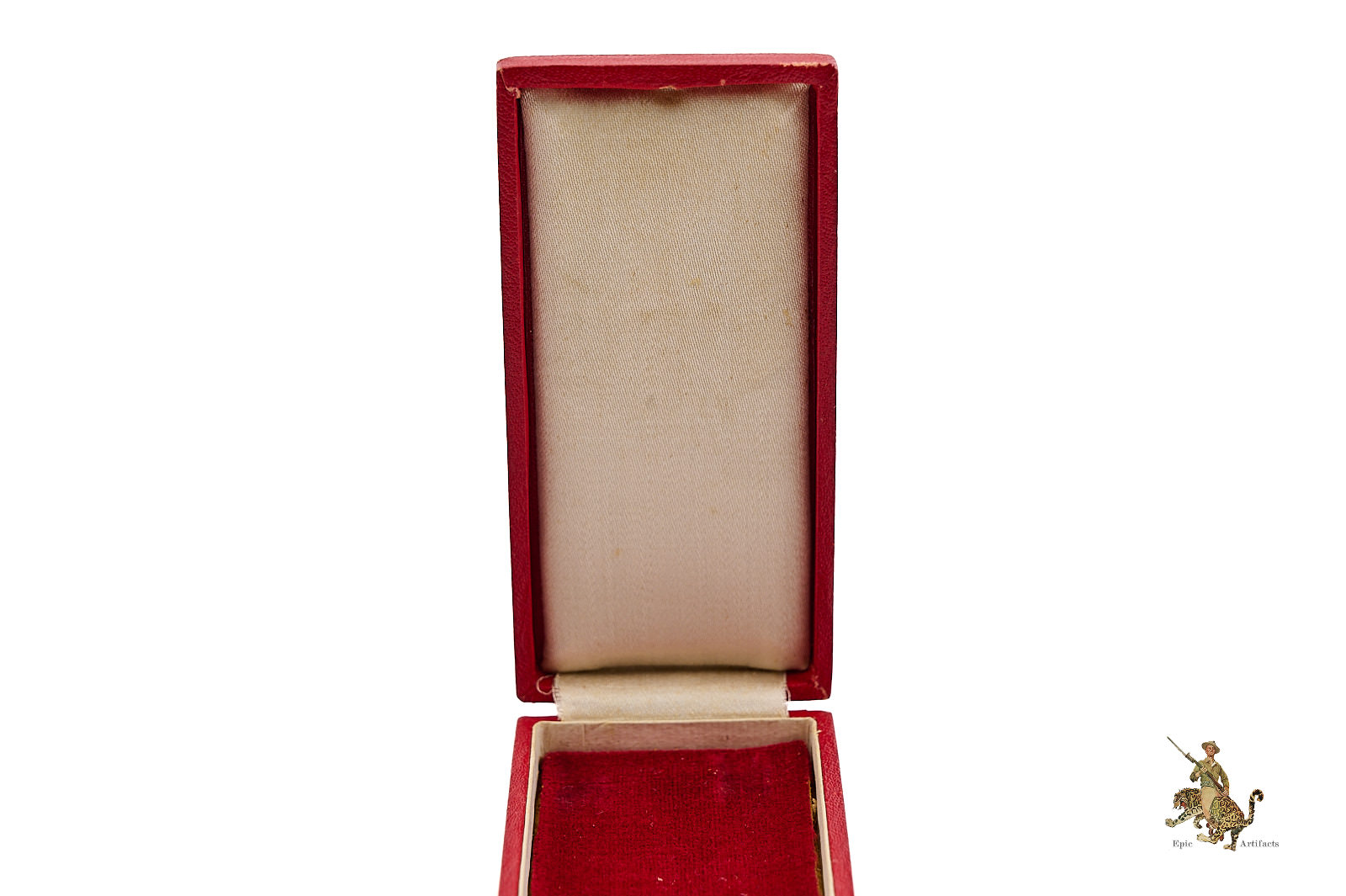
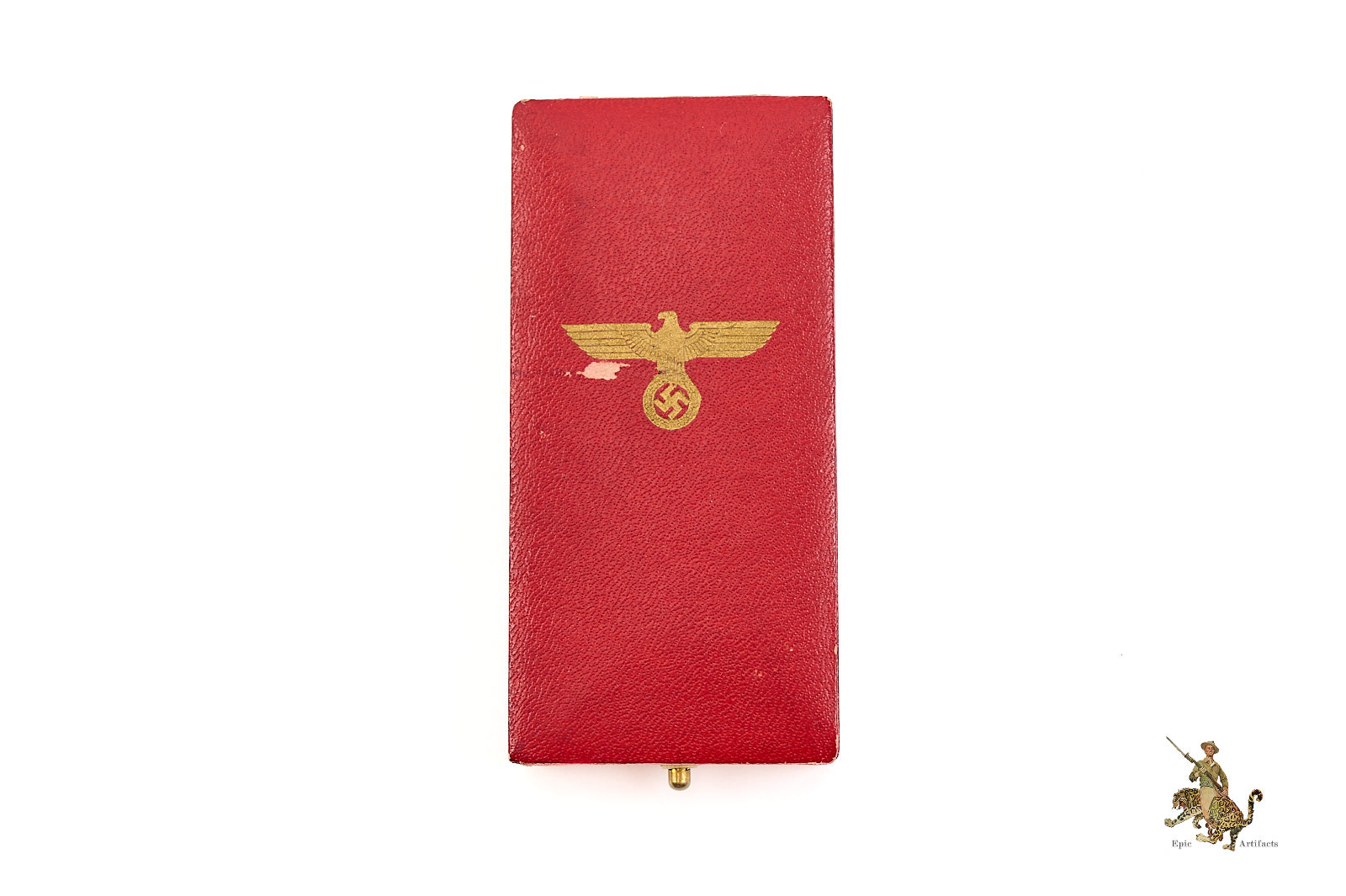
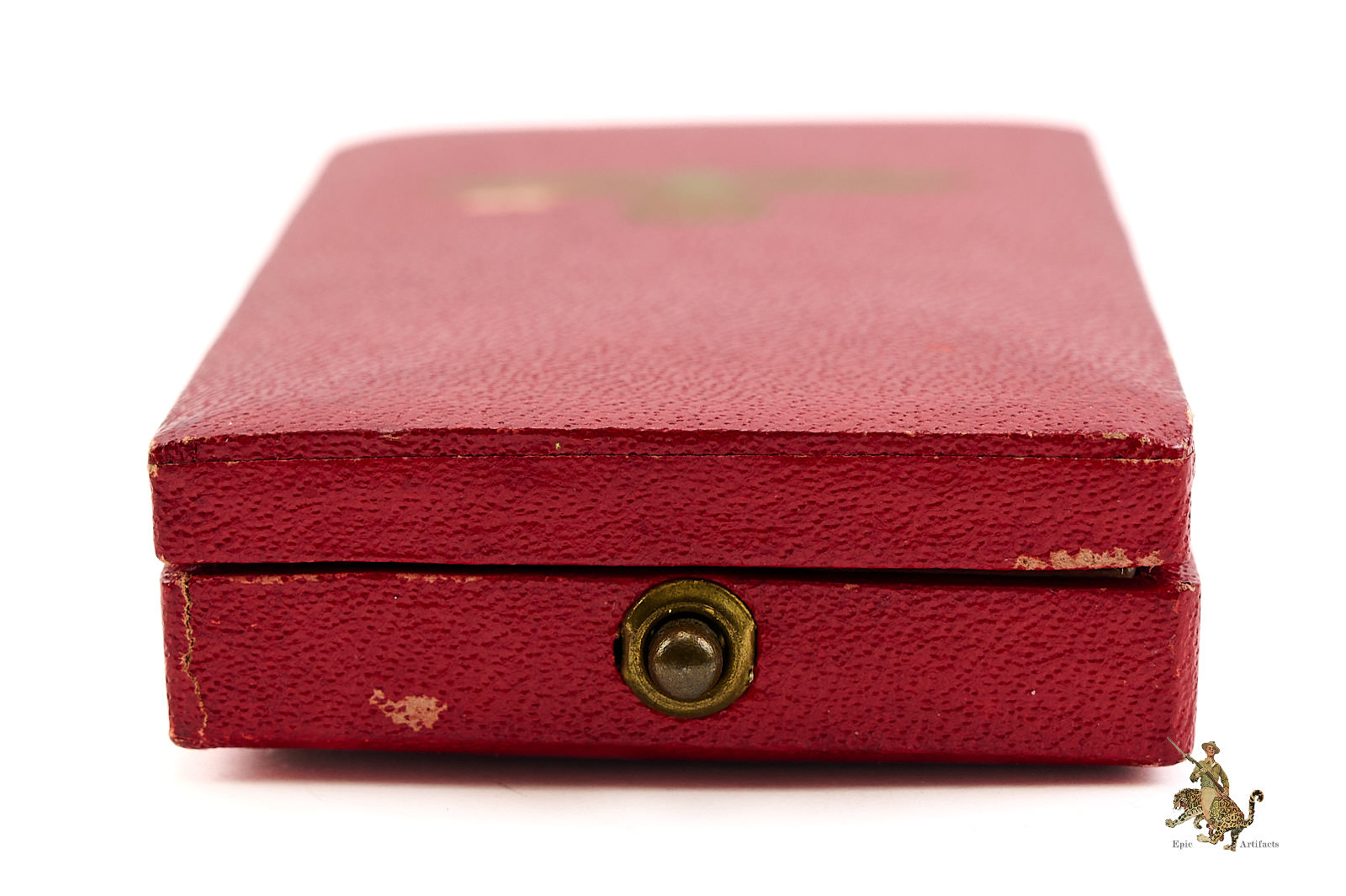
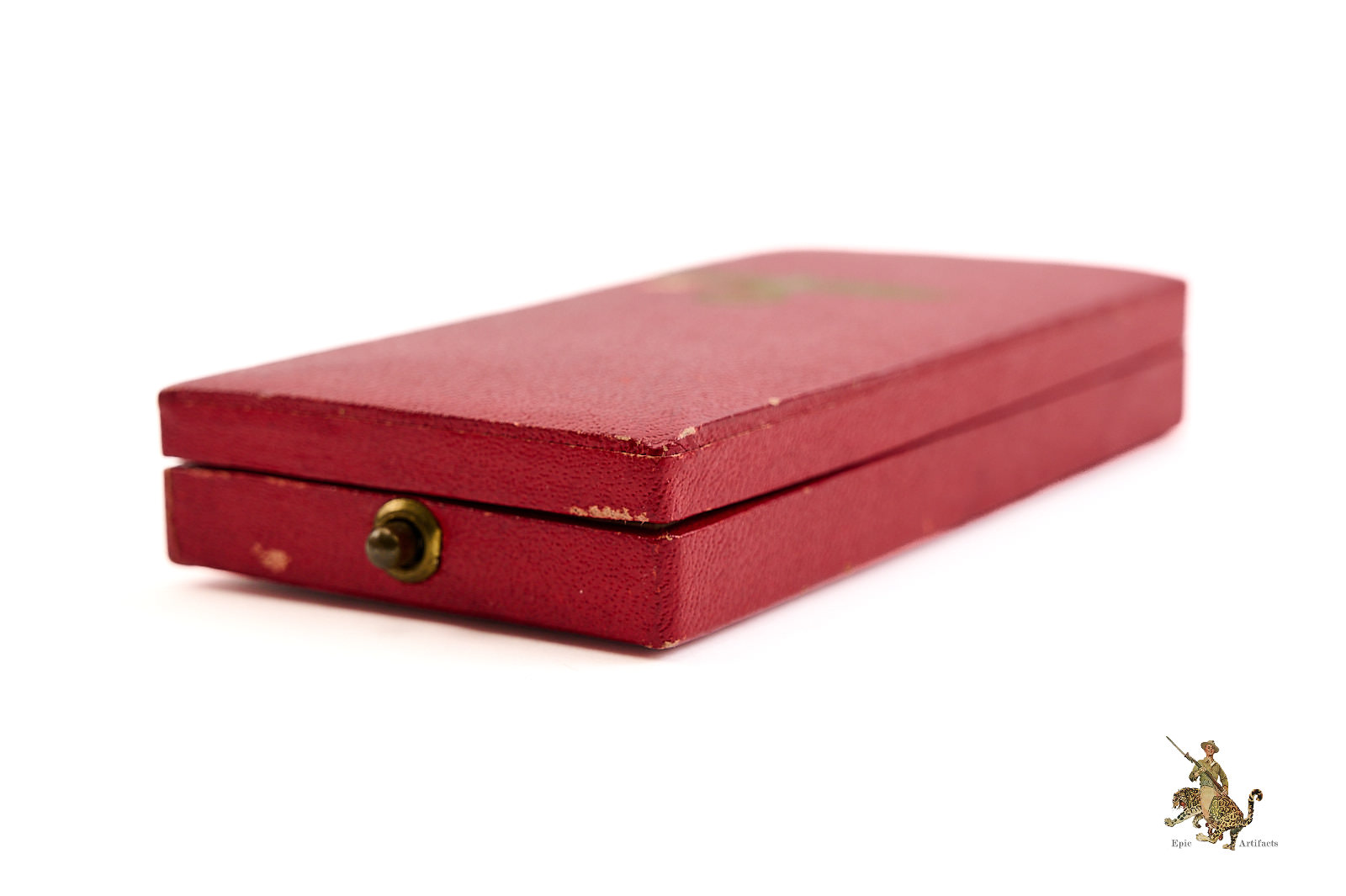
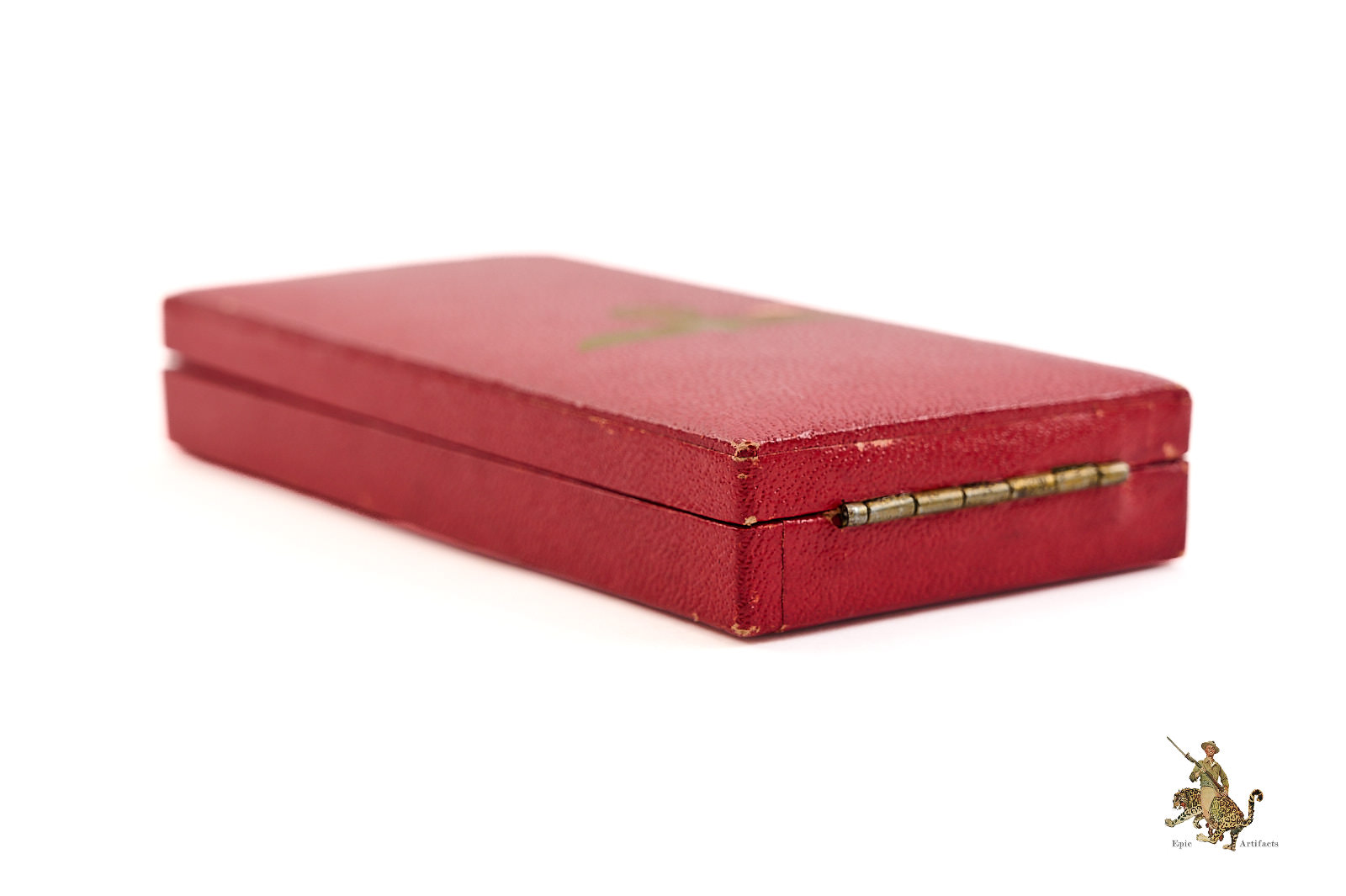
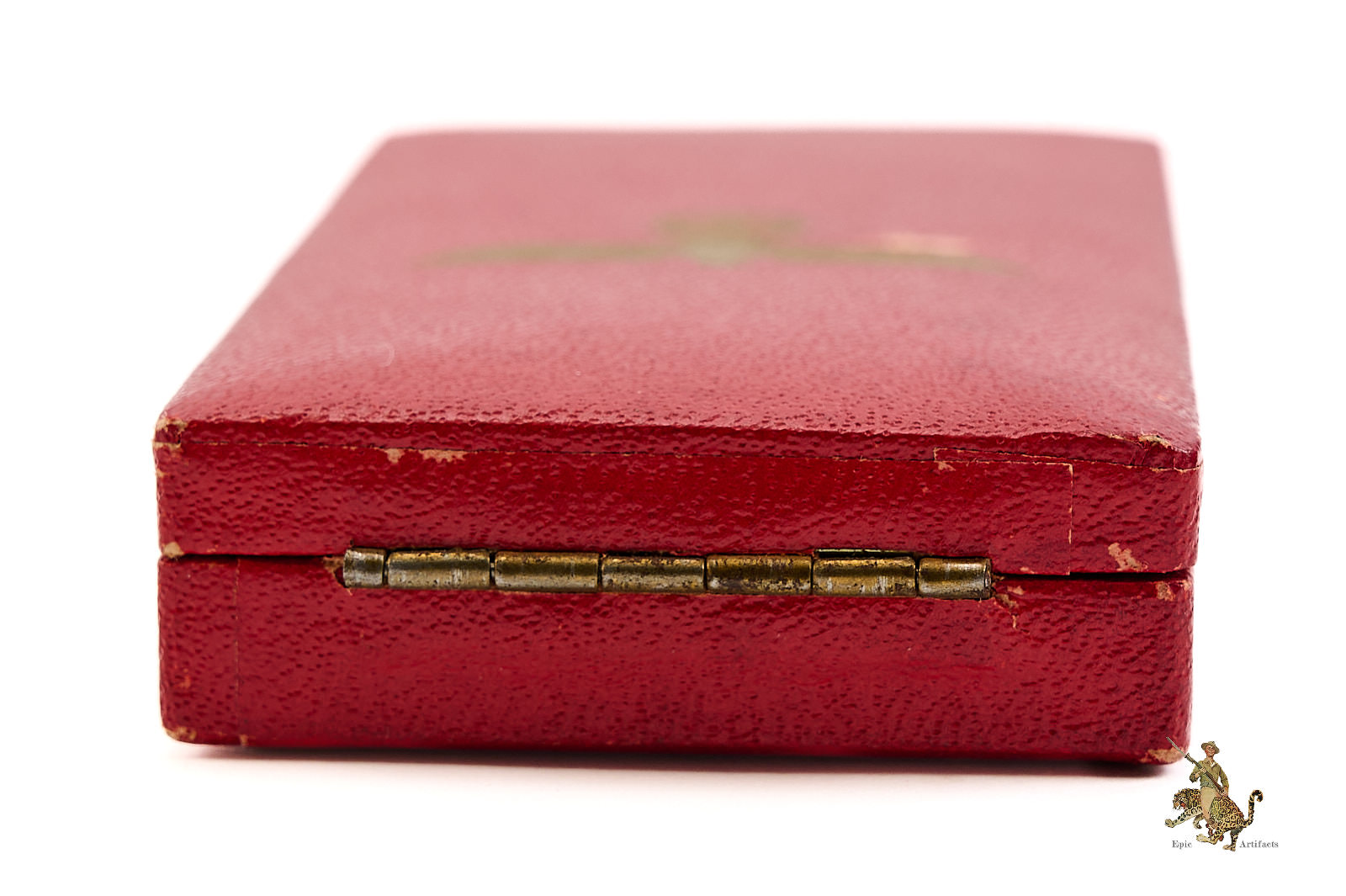
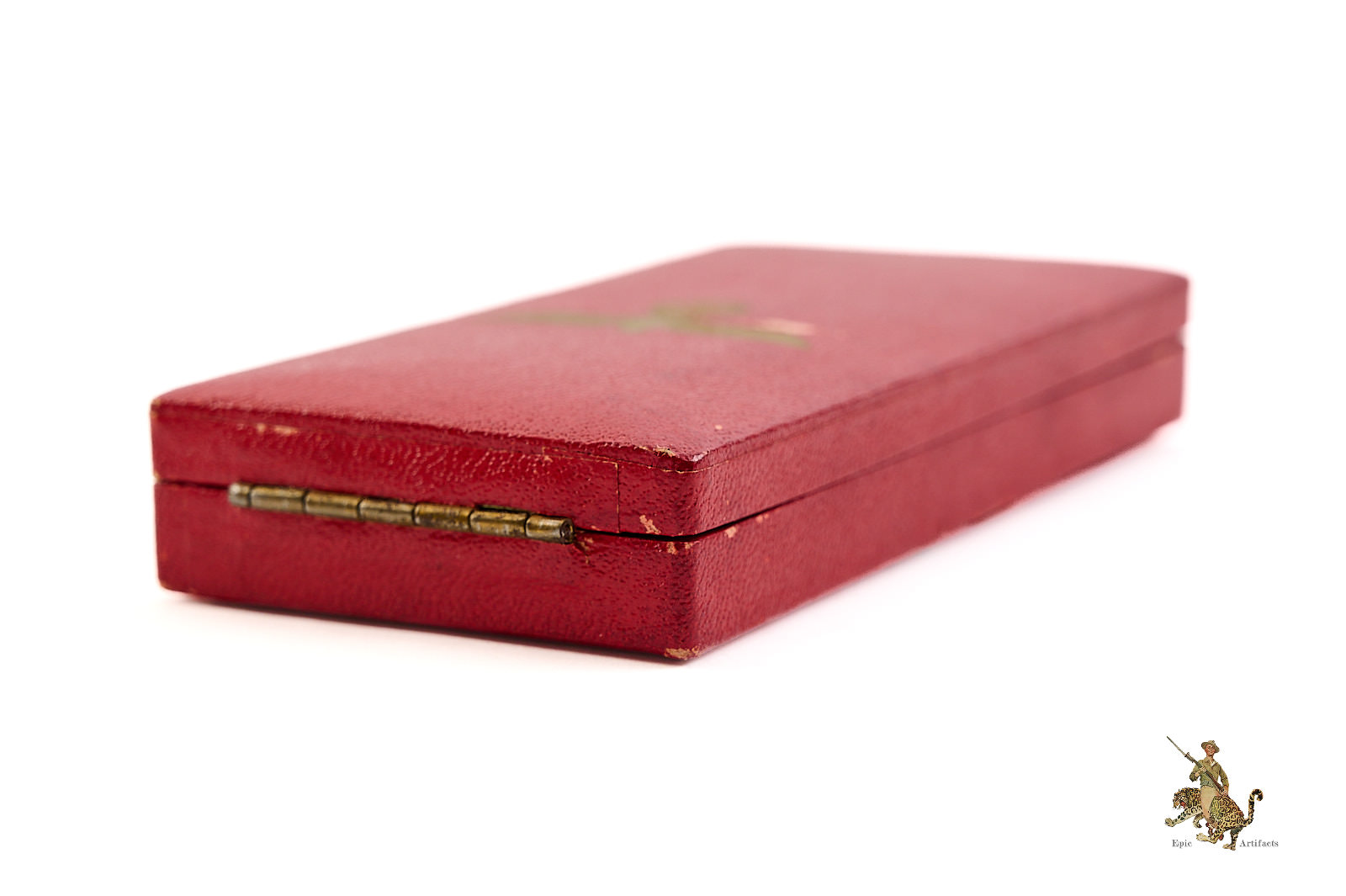
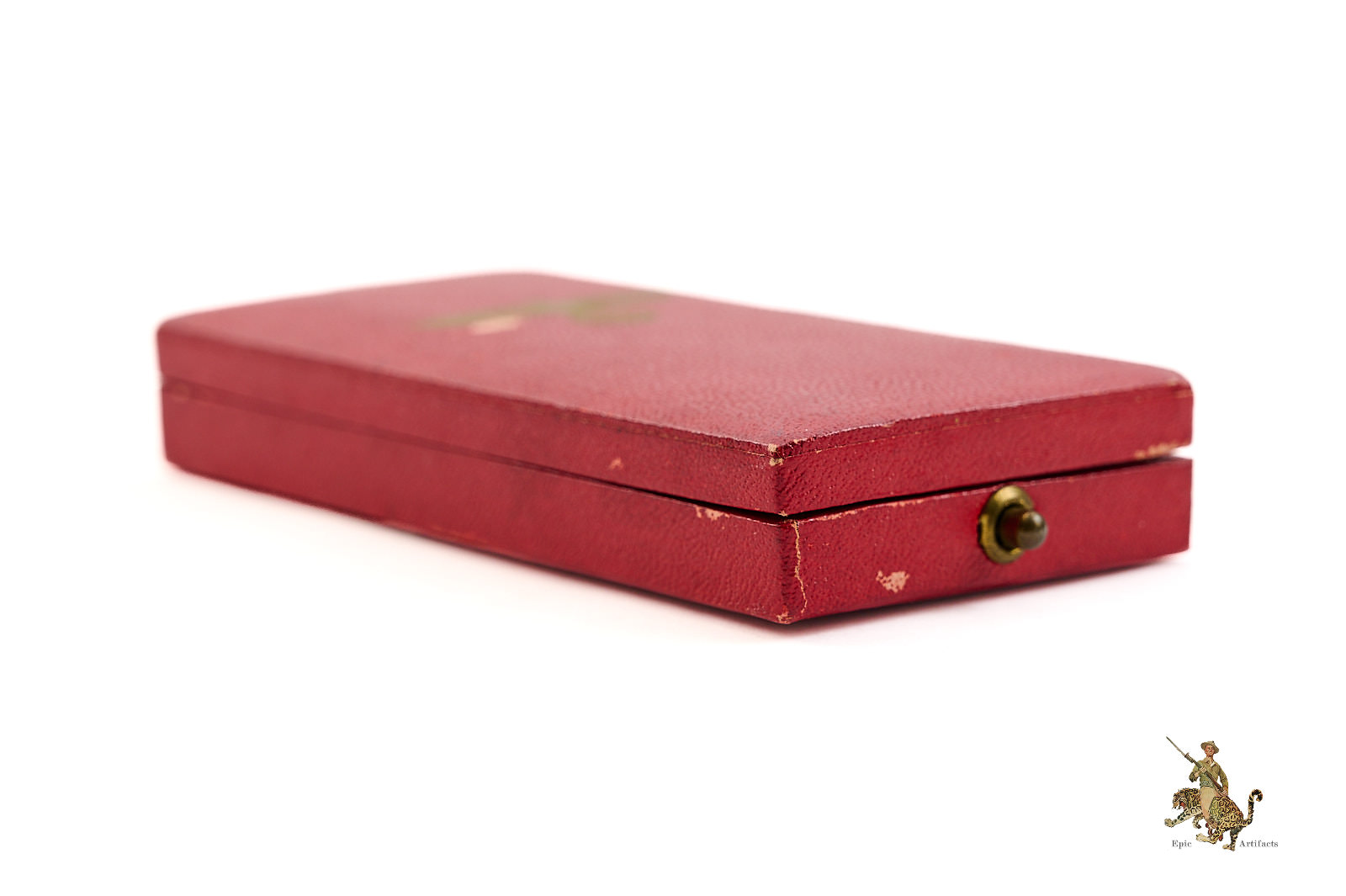
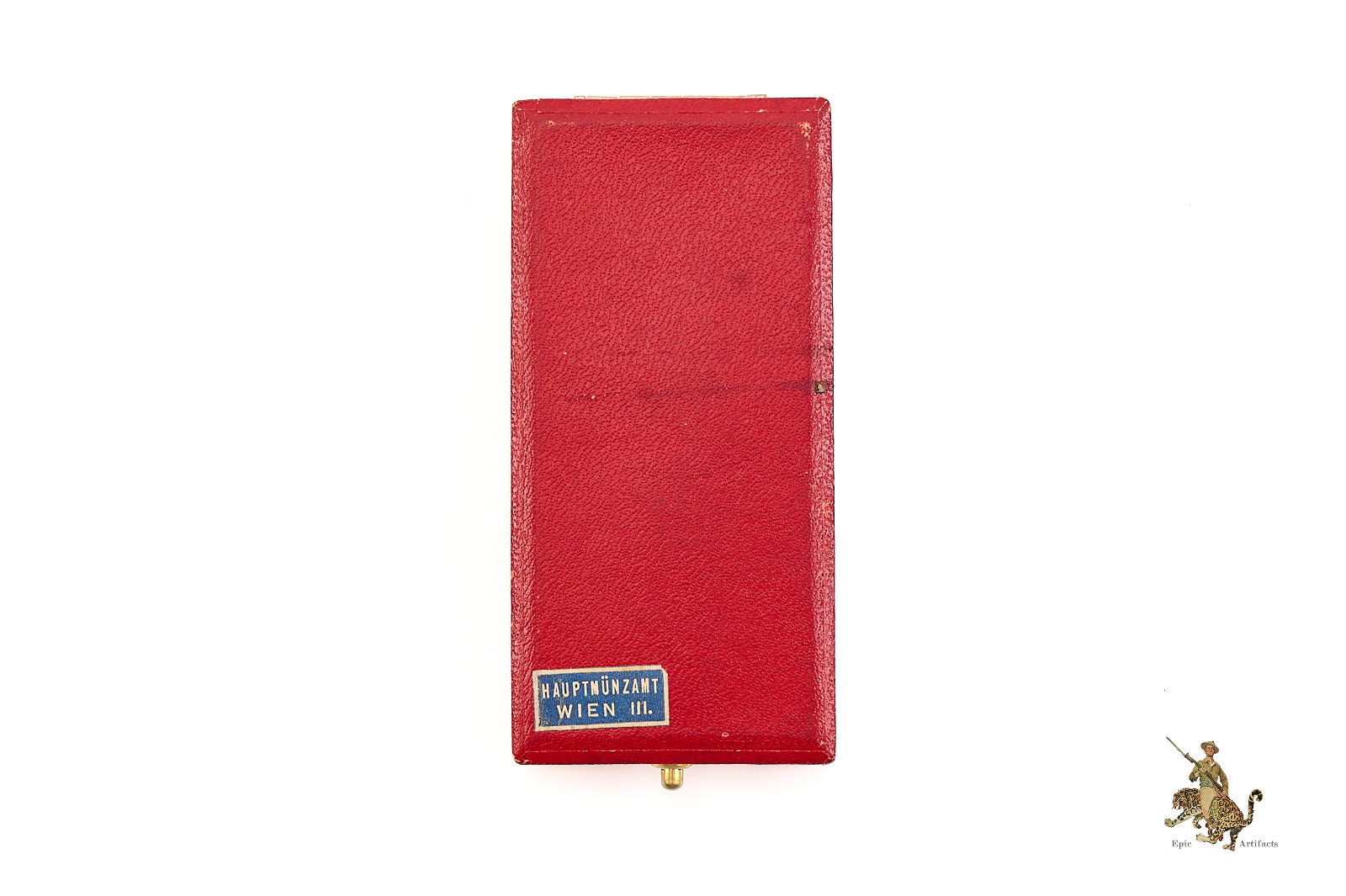
The award is accompanied by its original full-length ribbon, which remains notably crisp and well-preserved, displaying only the slightest mellowing from age. Completing the set is the original fitted presentation case, itself an increasingly desirable component among collectors. The case displays attractively overall, with a small area of color loss beneath the eagle on the lid along with several additional minor storage marks consistent with age and careful preservation.
Displaying exceptional eye appeal, superior originality, and remarkable preservation throughout, this Cased 1938 Austrian Annexation Medal stands as a textbook example of an increasingly sought-after pre-war German award. A distinguished and highly displayable addition to any advanced WWII militaria or Third Reich decorations collection, presenting in excellent condition.
Historical Description: In 1938 and 1939, a triumphant, ascendant Germany used a combination of political/diplomatic pressure and military operations/threats to annex and occupy (or re-occupy) areas that were to become part of the Greater German Reich. To recognize these successes, the German government instituted a series of three medals, known as the German Occupation Medals (or “Flower War Medals). There were three of these awards, all with the same obverse design. They were designed by Professor Richard Klein of Munich, and featured two nude men, one bearing a Nazi flag, ascending a podium with the German eagle and swastika emblem. Each of the three different awards had a different date on the reverse (the date of the event each commemorated), and each had a different ribbon. The first of these medals to be instituted was the medal for the Austrian Anschluss, which appeared on May 1, 1938, and bore the date “13. März 1938.” It had a silver finish, and a red ribbon with white-black-white stripes at the edges. The next “Flower War” medal to be instituted, and the one awarded in the greatest numbers, came on October 18, 1938, to commemorate the occupation of the Sudetenland on October 1. It had a bronze finish and a red and black ribbon. The reverse of each of these bore the lettering “Ein Volk, Ein Reich, Ein Führer” (One People, One Nation, One Leader” with German swastika emblems and the date of institution of the award. The last of these medals, the “Memel Medal,” was authorized on May 1, 1939, and commemorated the return of the Memel Territory on March 22, 1939. This medal had a different reverse, a bronze finish, and a ribbon with white, red, and green stripes. This medal was only awarded 31,322 times (compared to 318,689 awards of the Anschluss medal and 1,162,617 awards of the Sudetenland medal). Issue of “Flower Wars” medals ceased at the end of 1940.
We are the leading team of military antique specialists. We have specialized in military antiques for over 25 years.
Epic Artifacts offers the highest prices available for your collectibles.
We purchase single items, entire collections, or family estates. https://epicartifacts.com/sell-to-us/
Feel free to email us directly: info@epicartifacts.com