
Condition: Excellent +
Sold
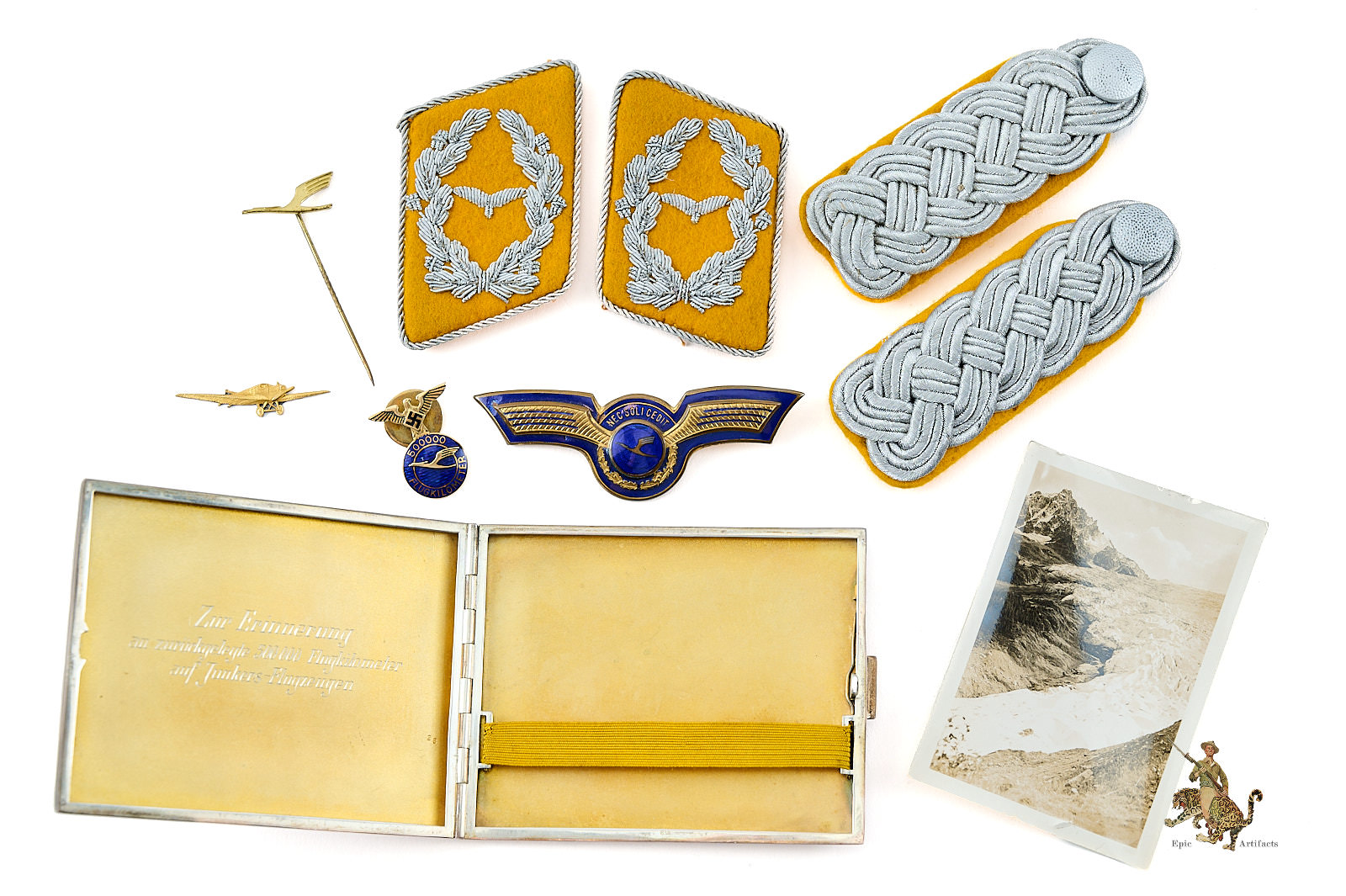
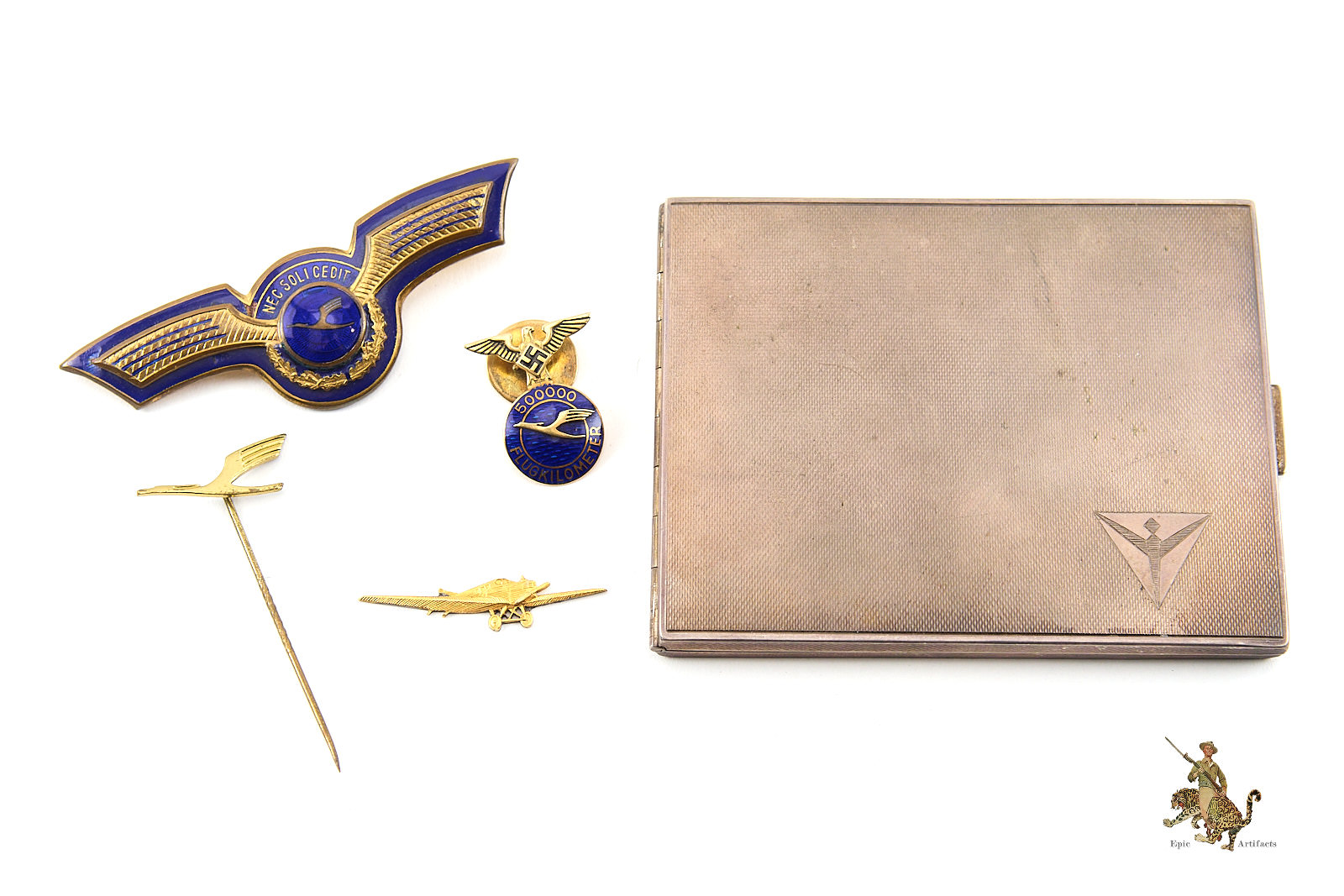
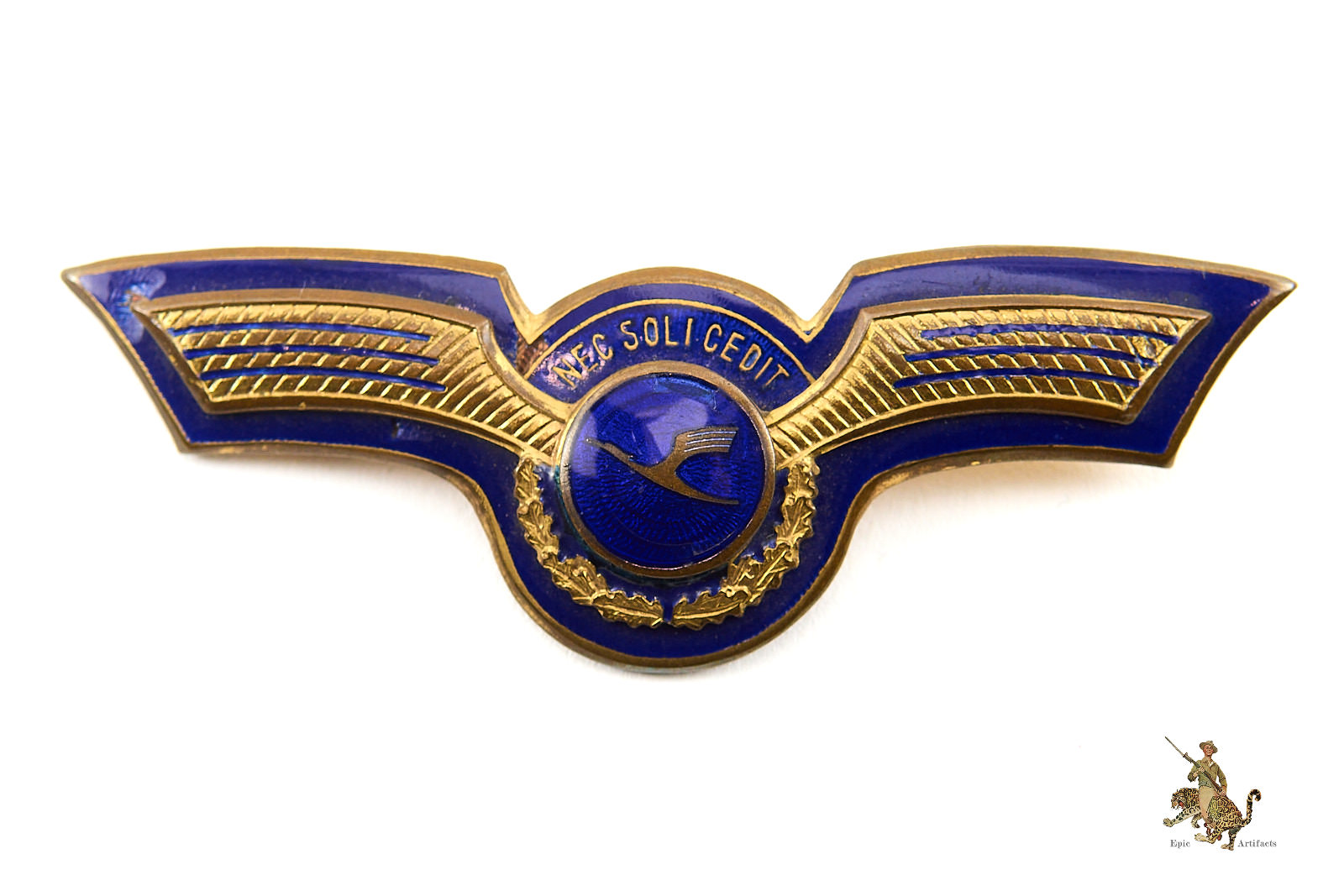
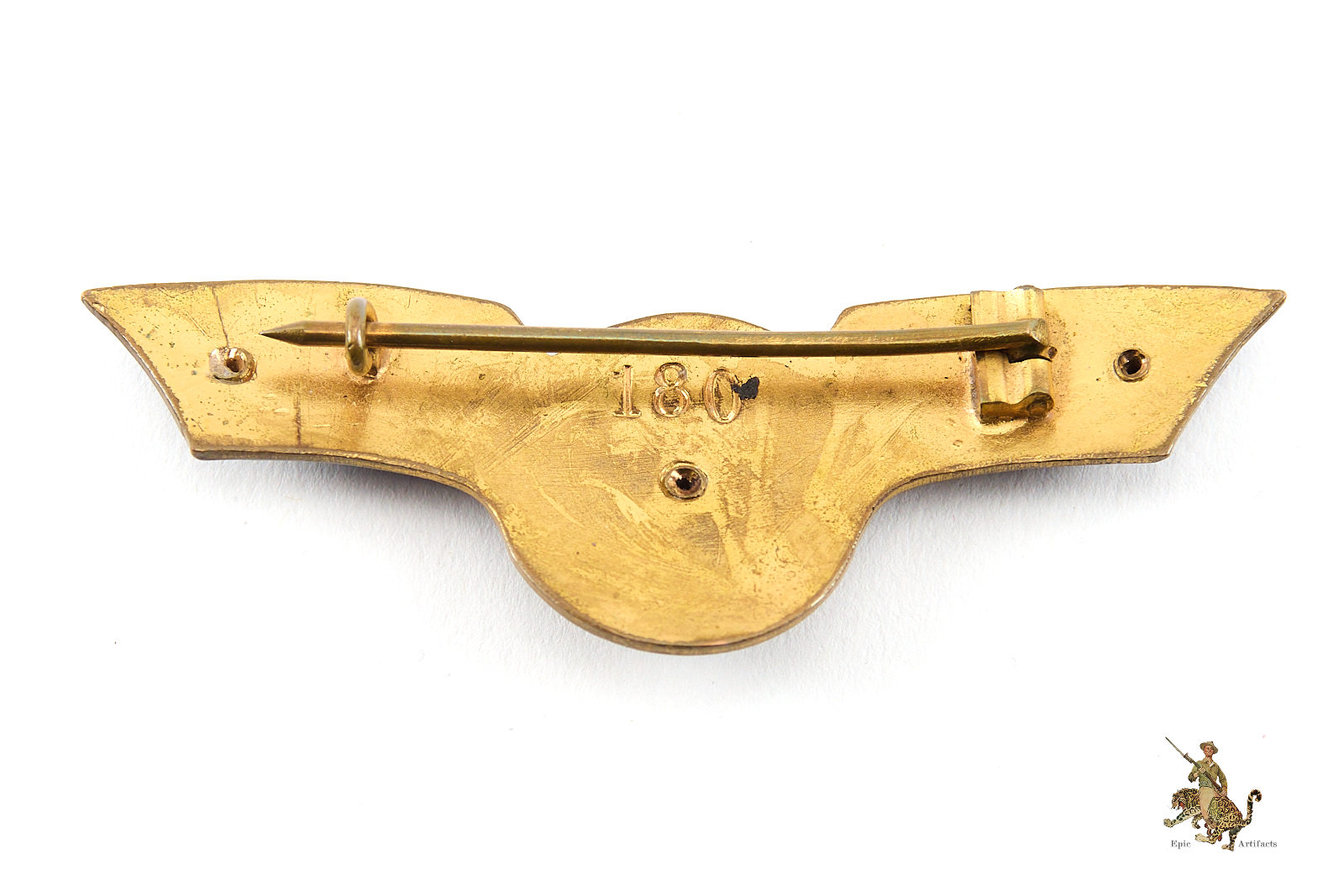
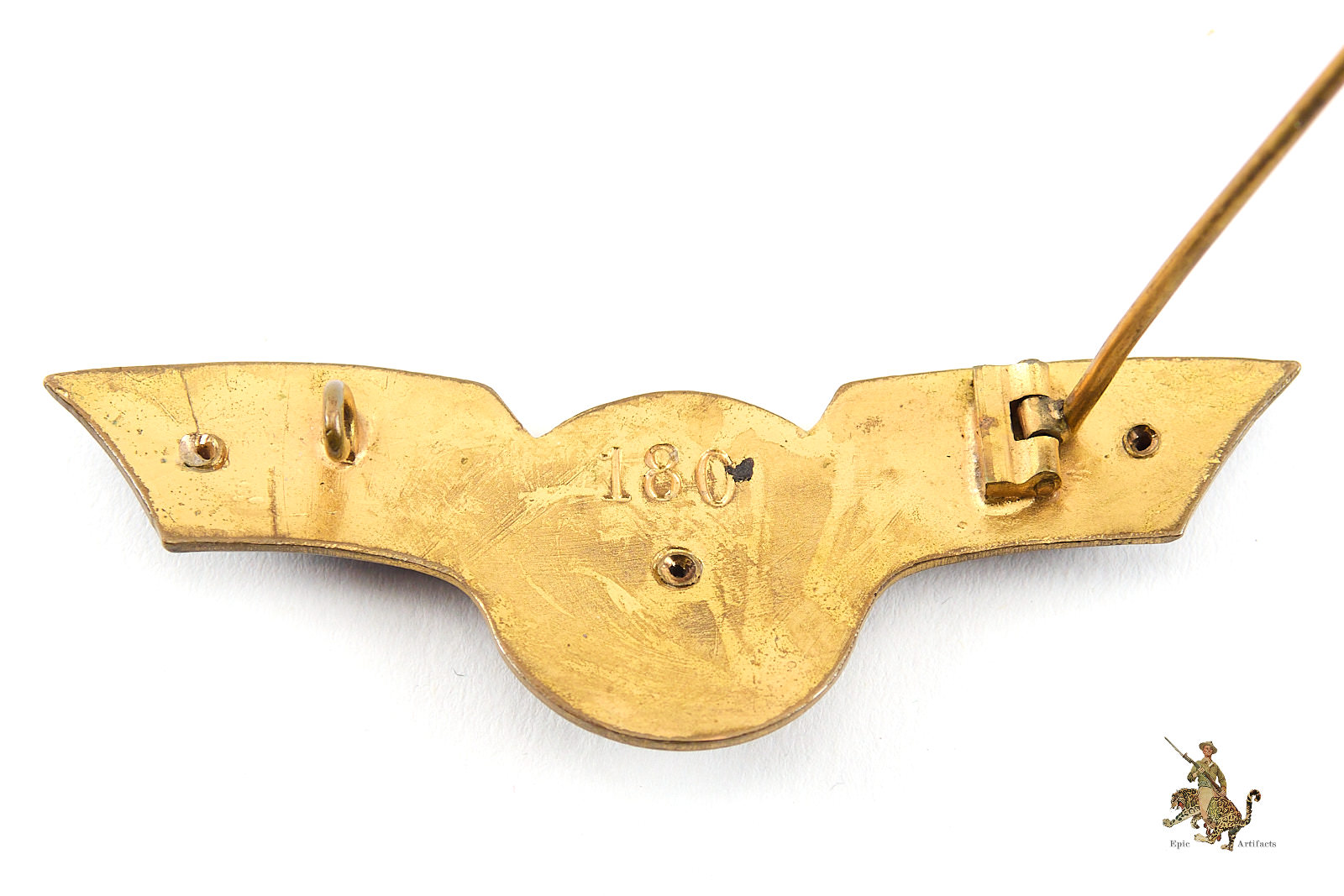
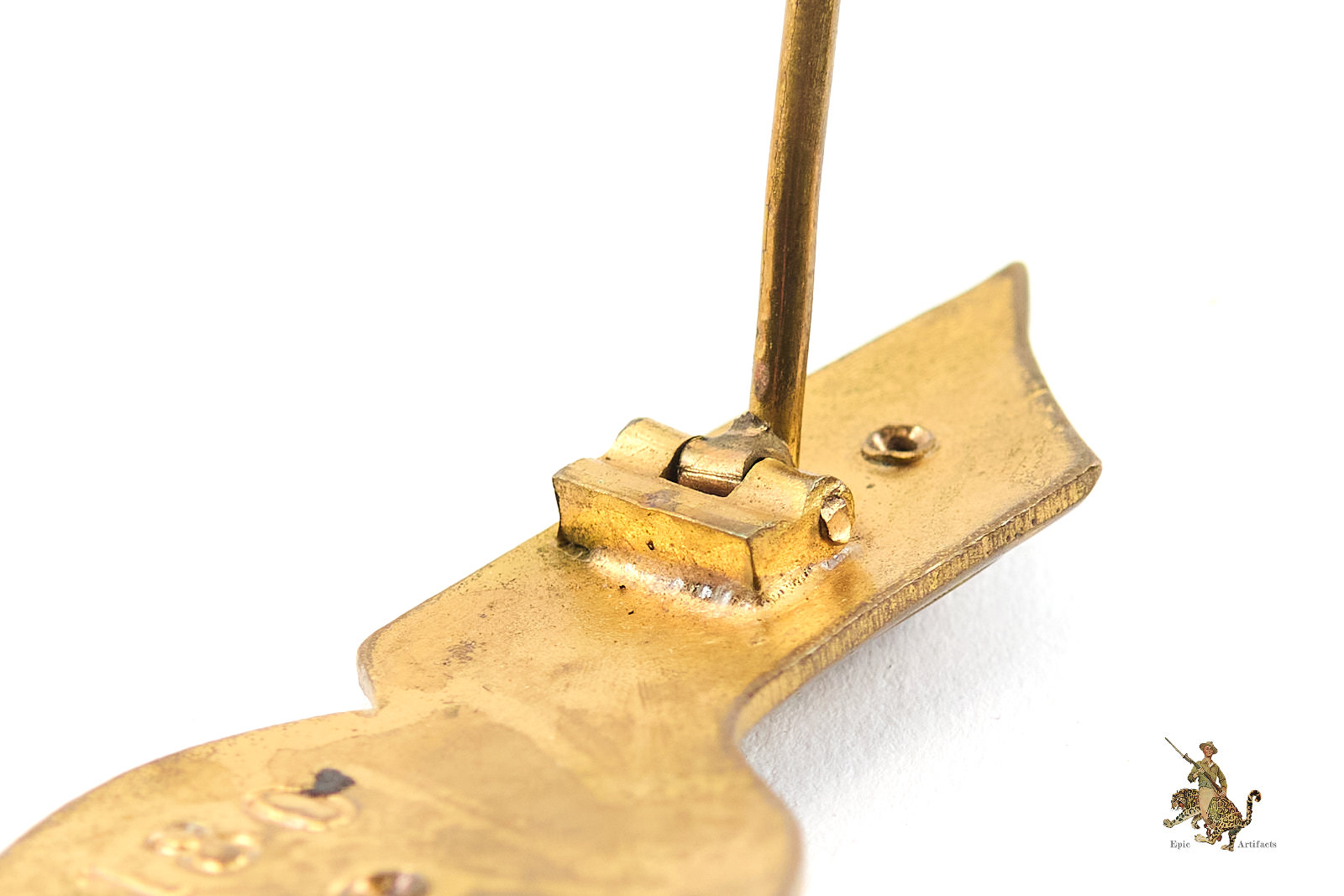
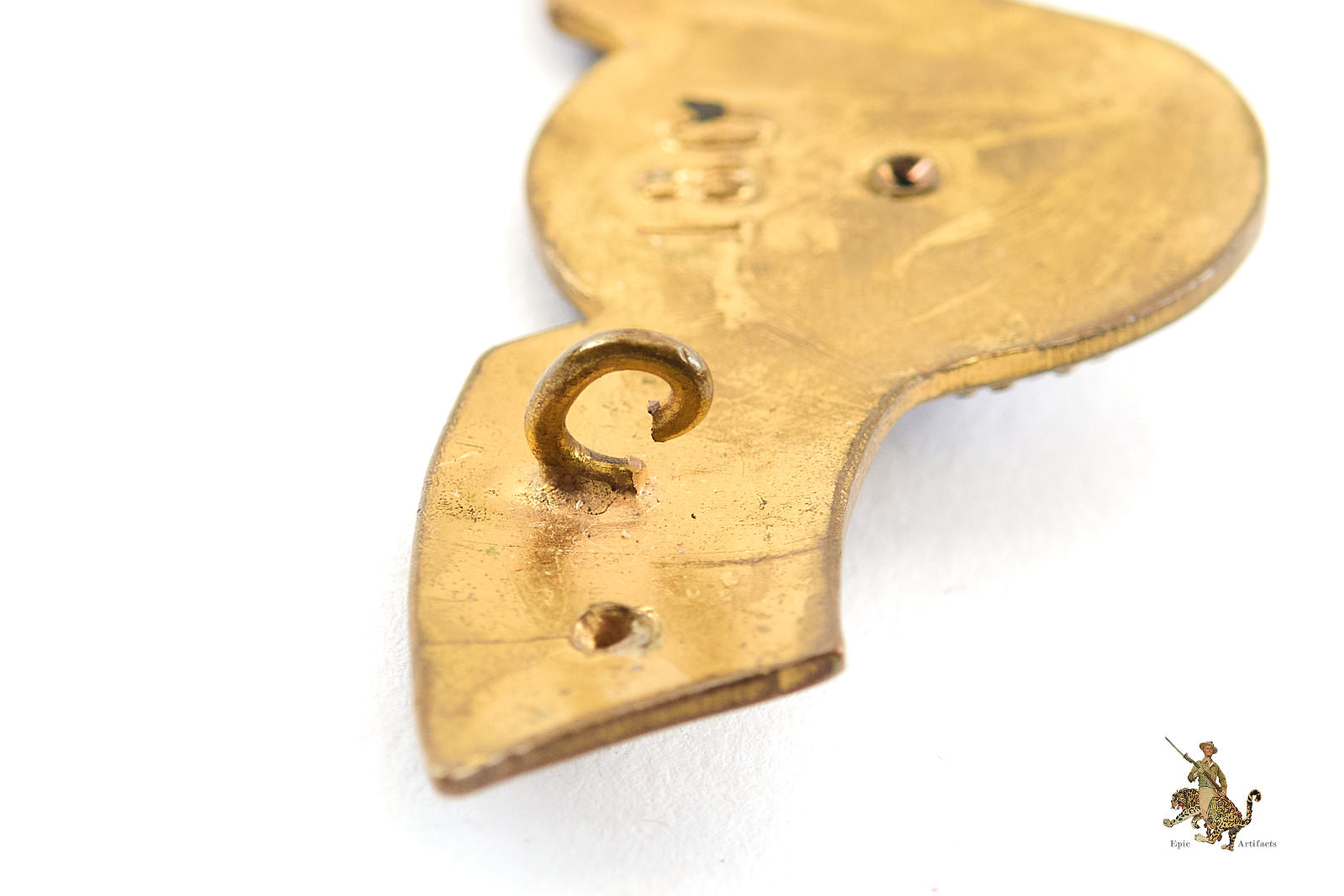
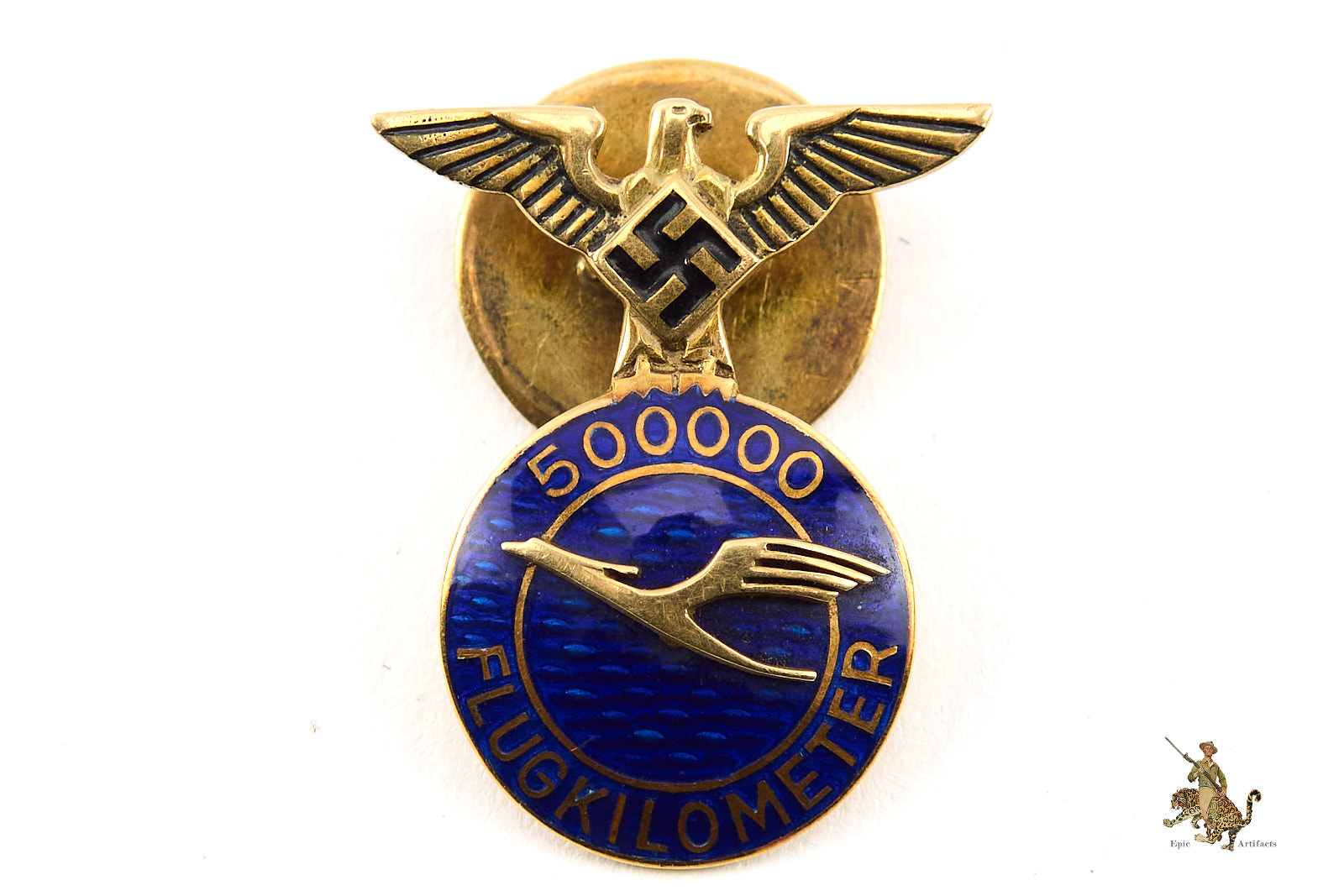
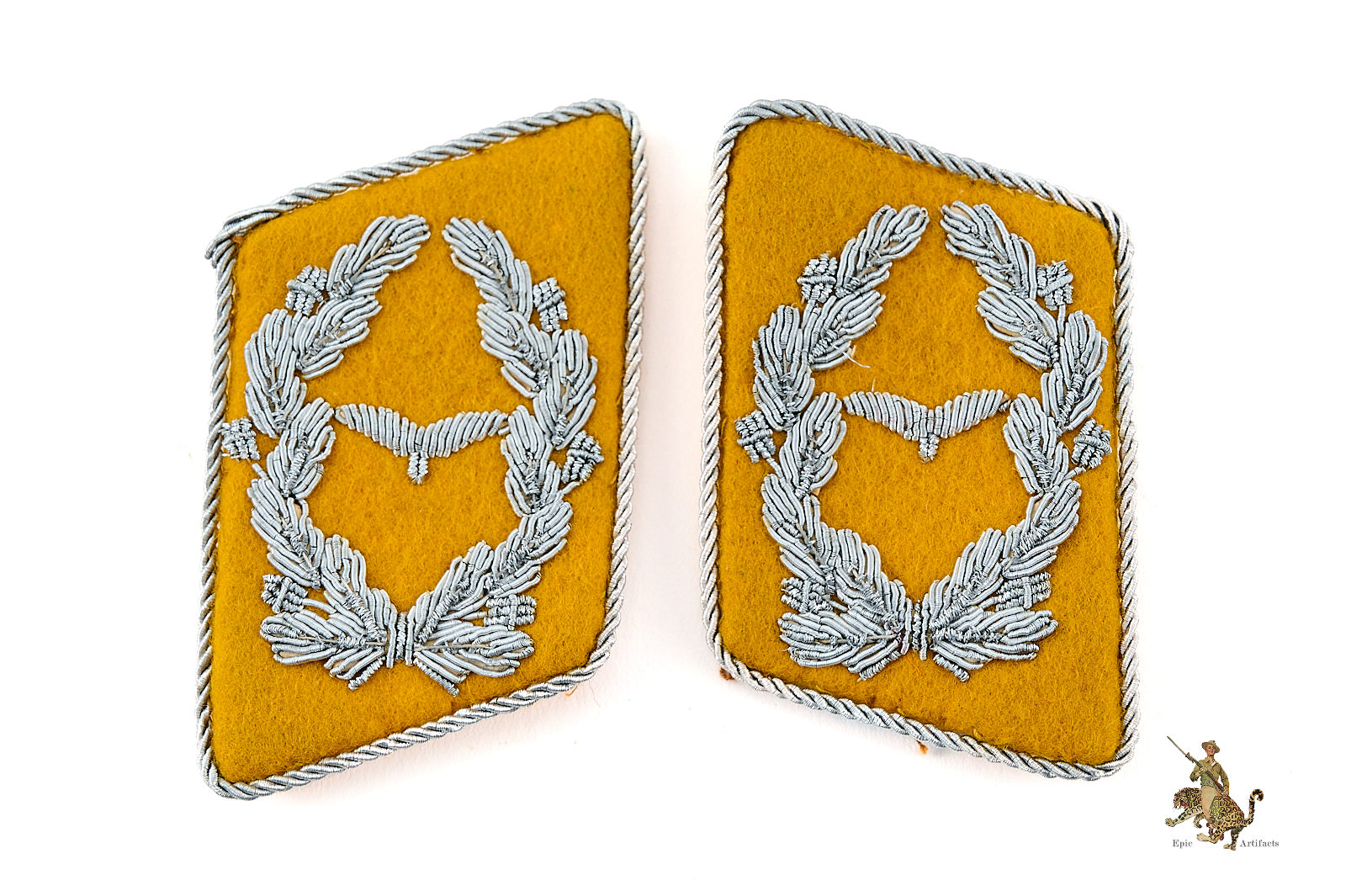
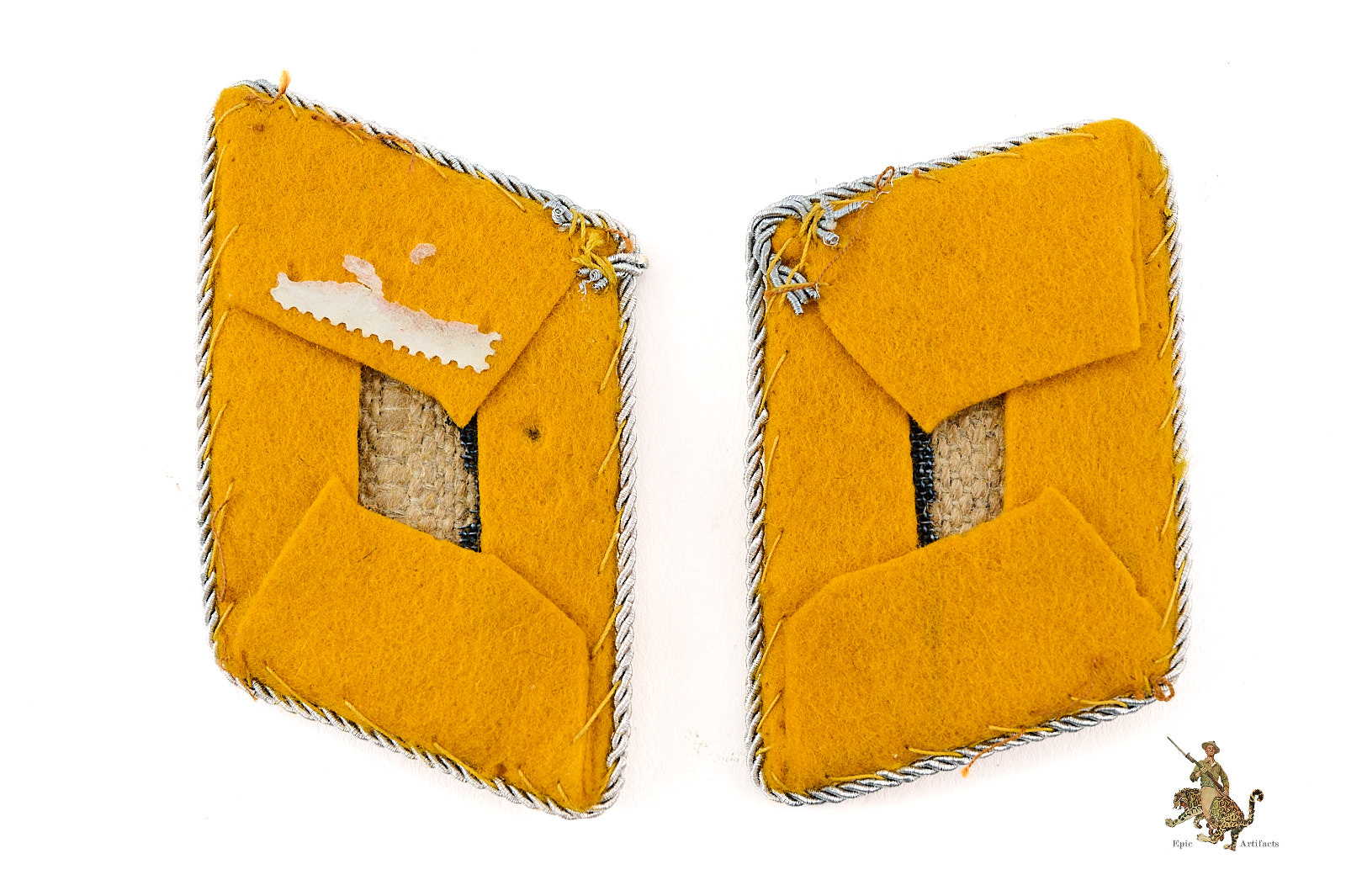
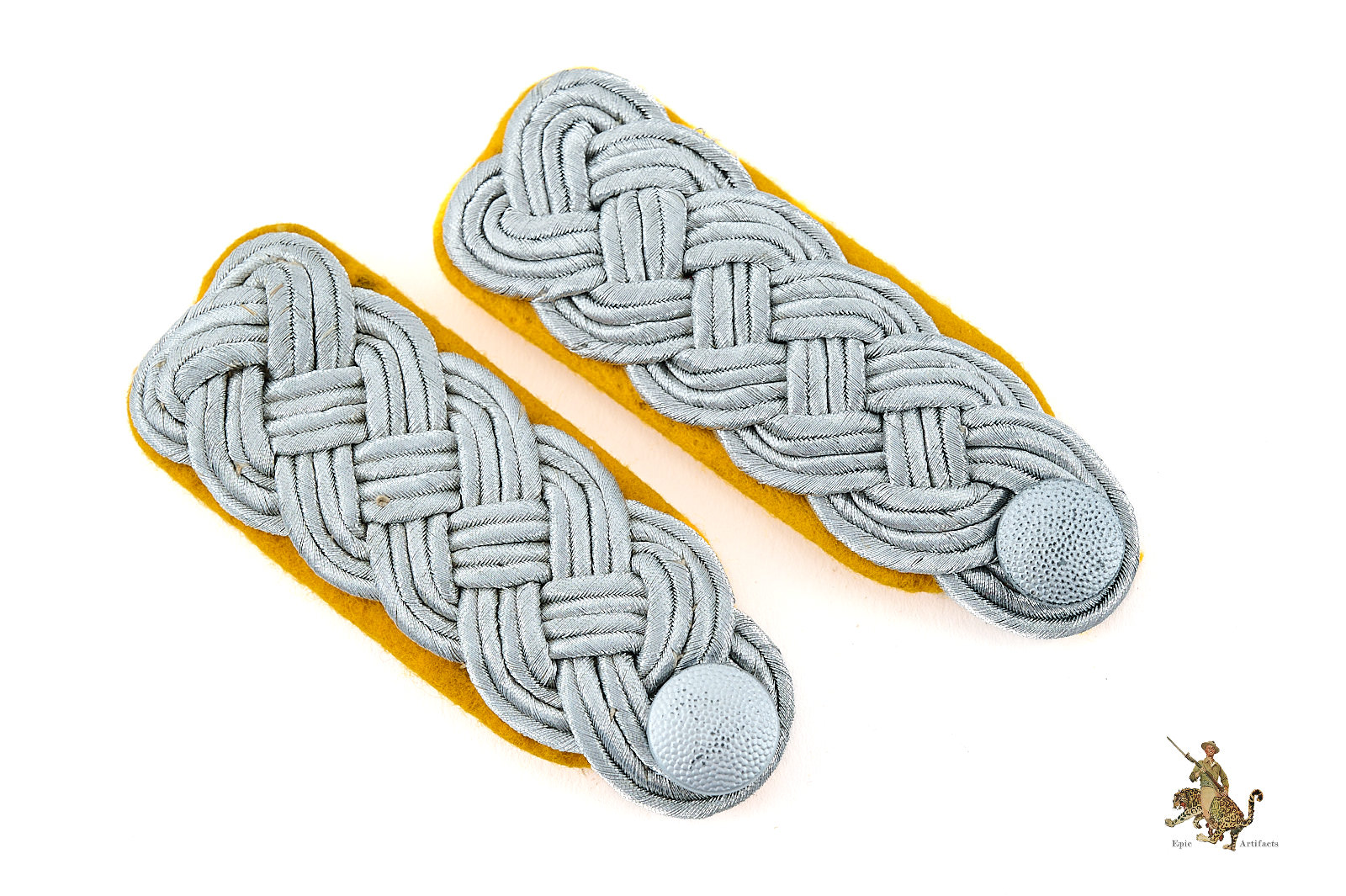
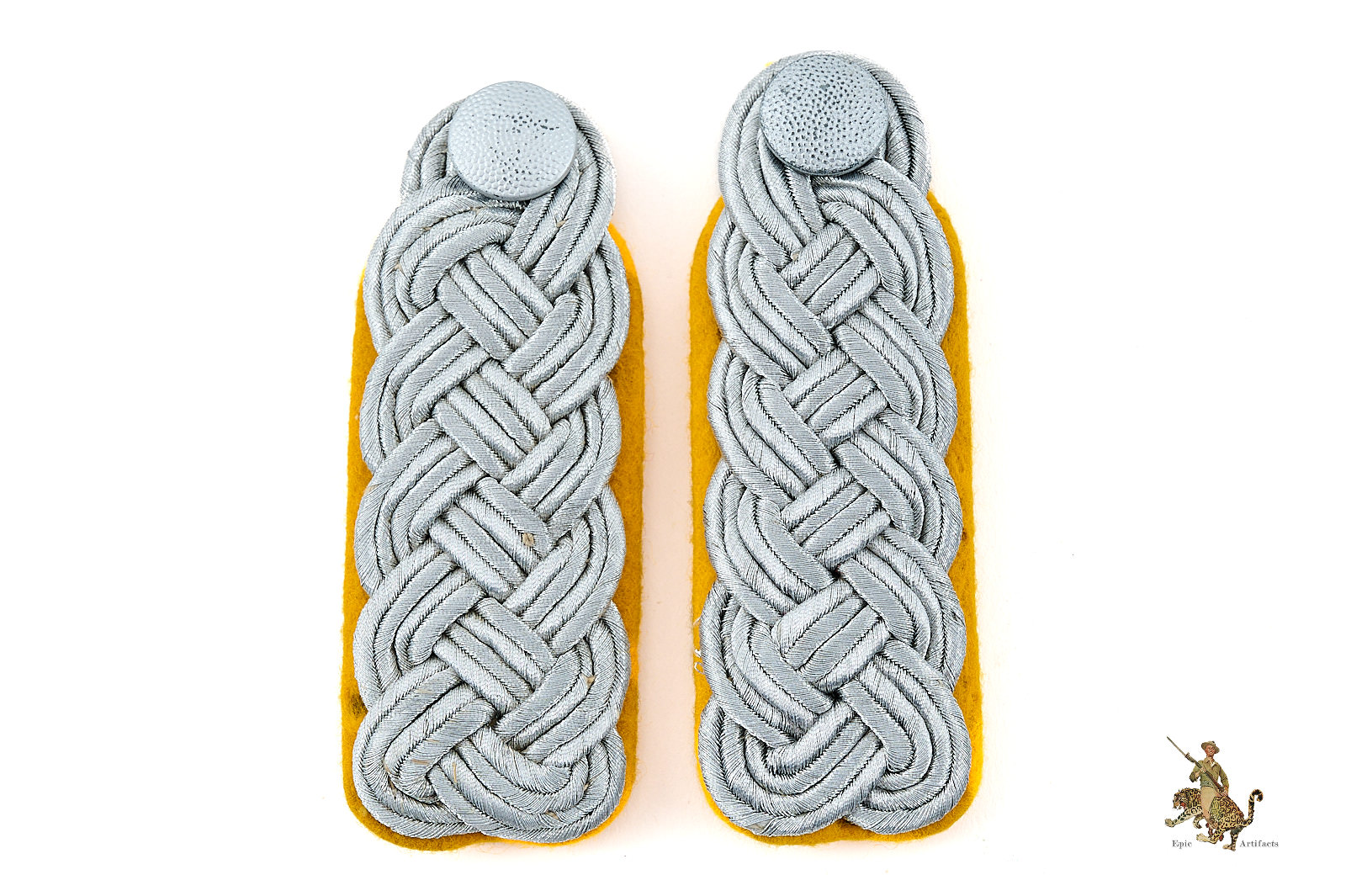
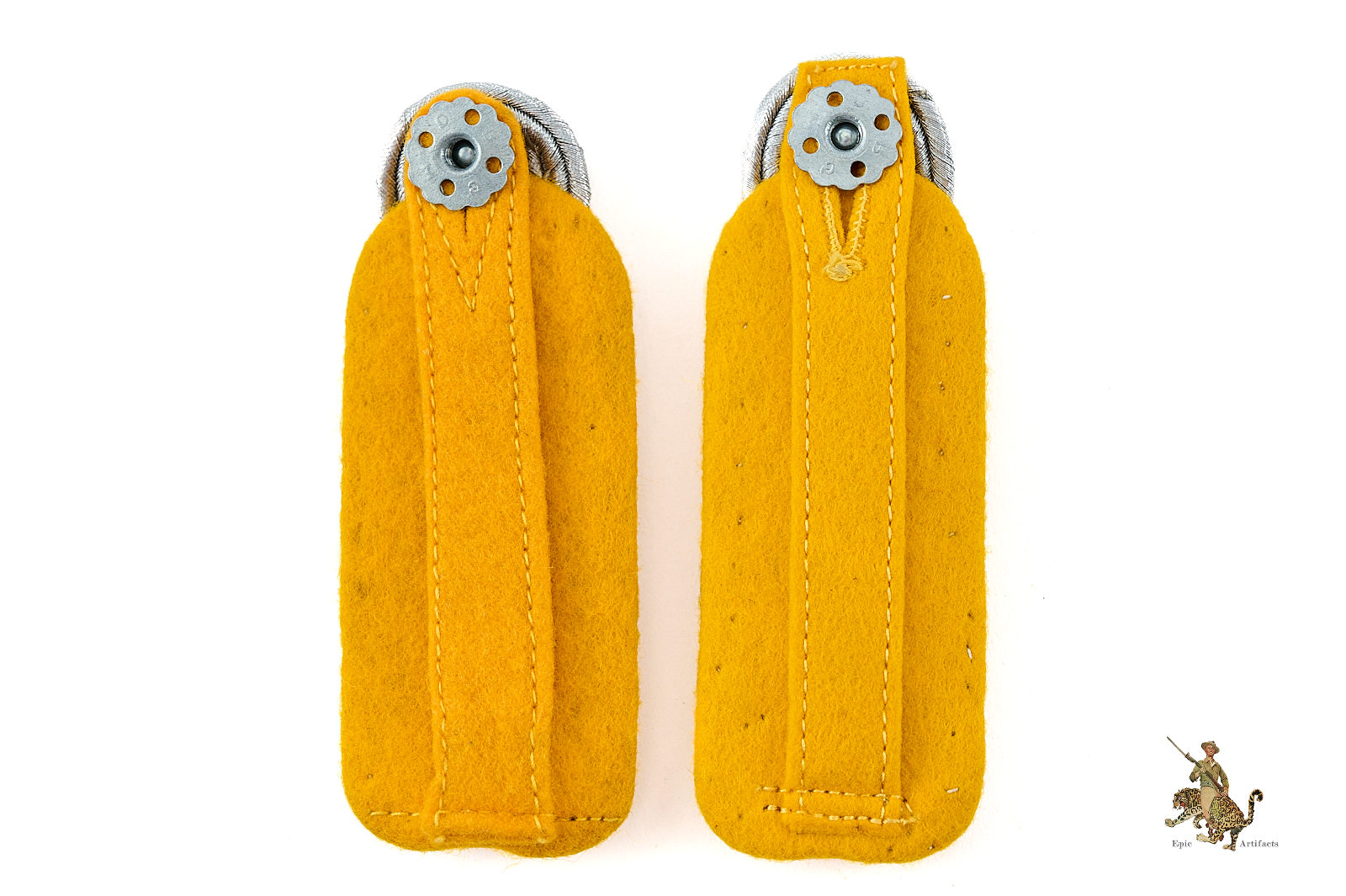
Product Description: An extensive and historically evocative WWII Luftwaffe Lufthansa Pilot Grouping, comprising a varied assortment of aviation insignia, personal effects, and commemorative items reflecting the interconnected nature of civilian and military aviation in the pre-war and wartime period. The lot includes Major rank collar tabs and shoulder boards, WWII-era Lufthansa pilot wings bearing serial number 180, and a 500,000 Flugkilometer Third Reich service badge.
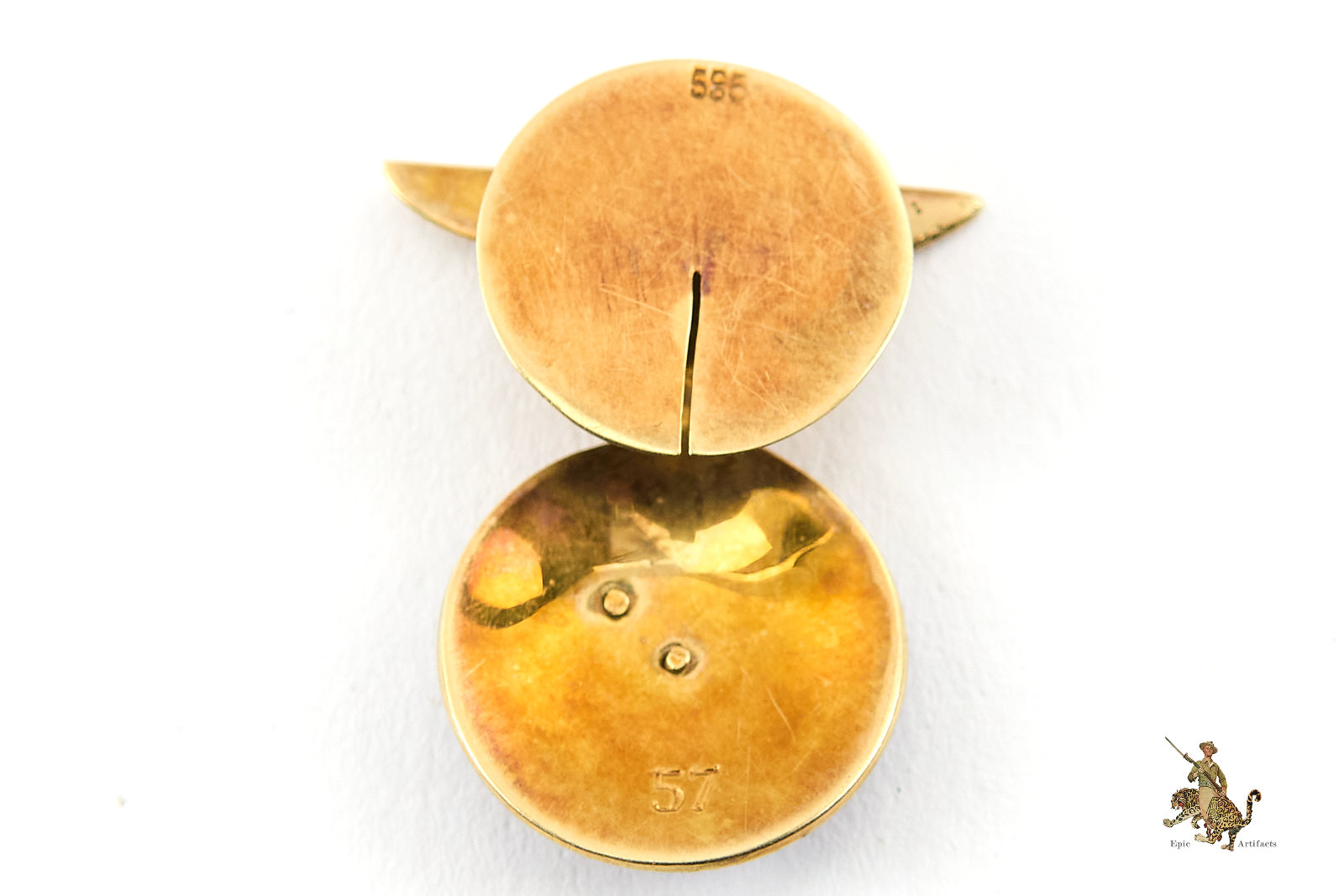
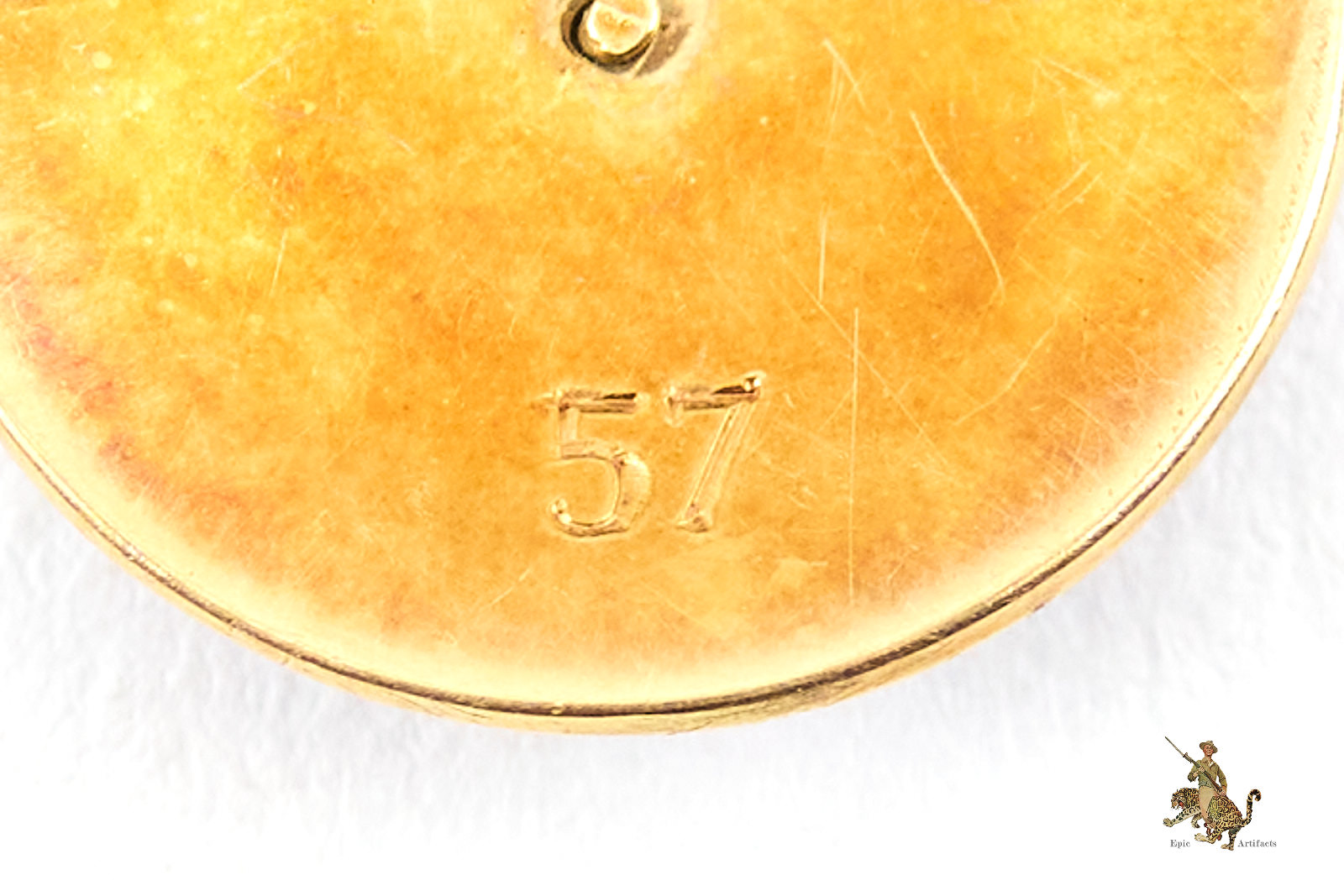
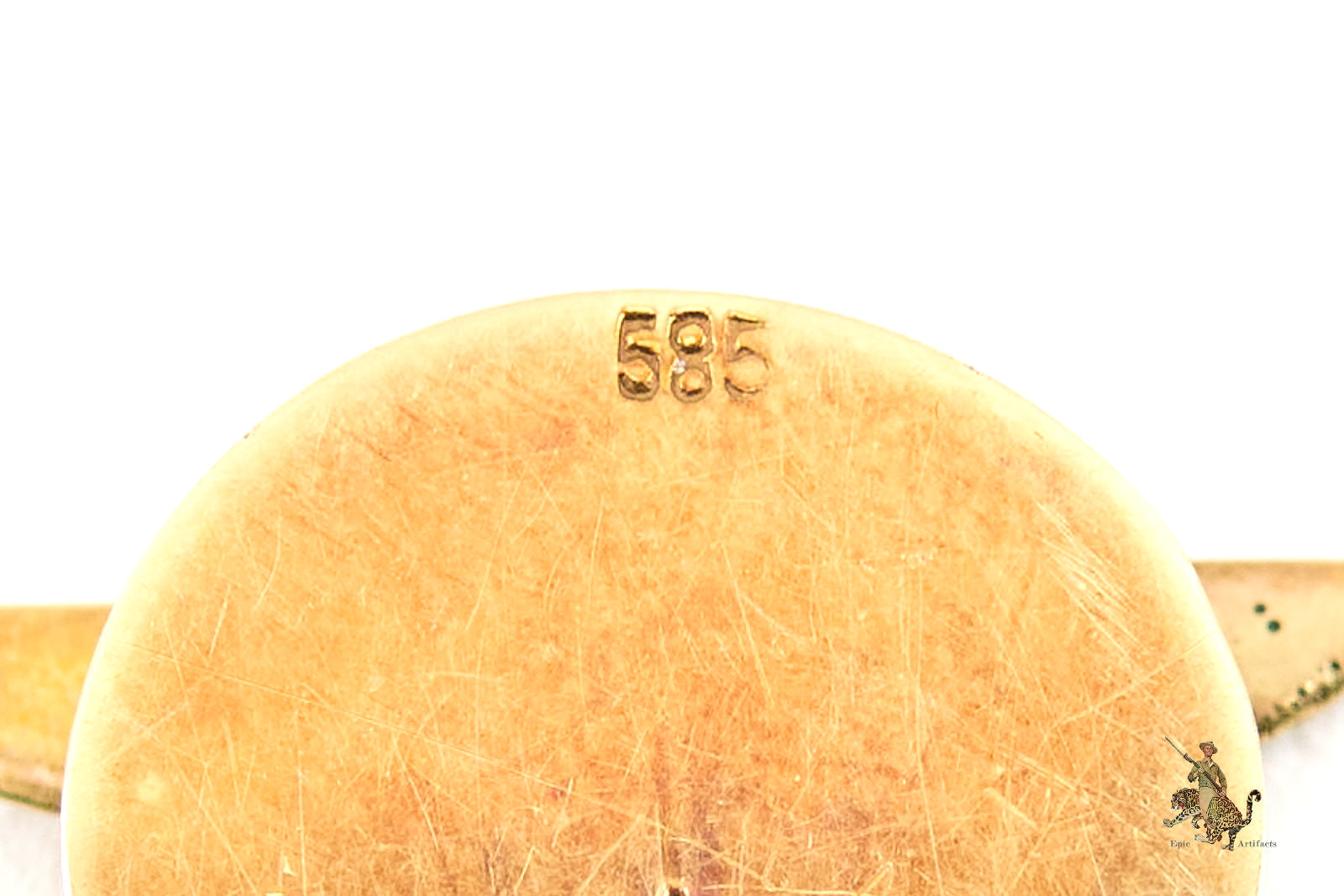
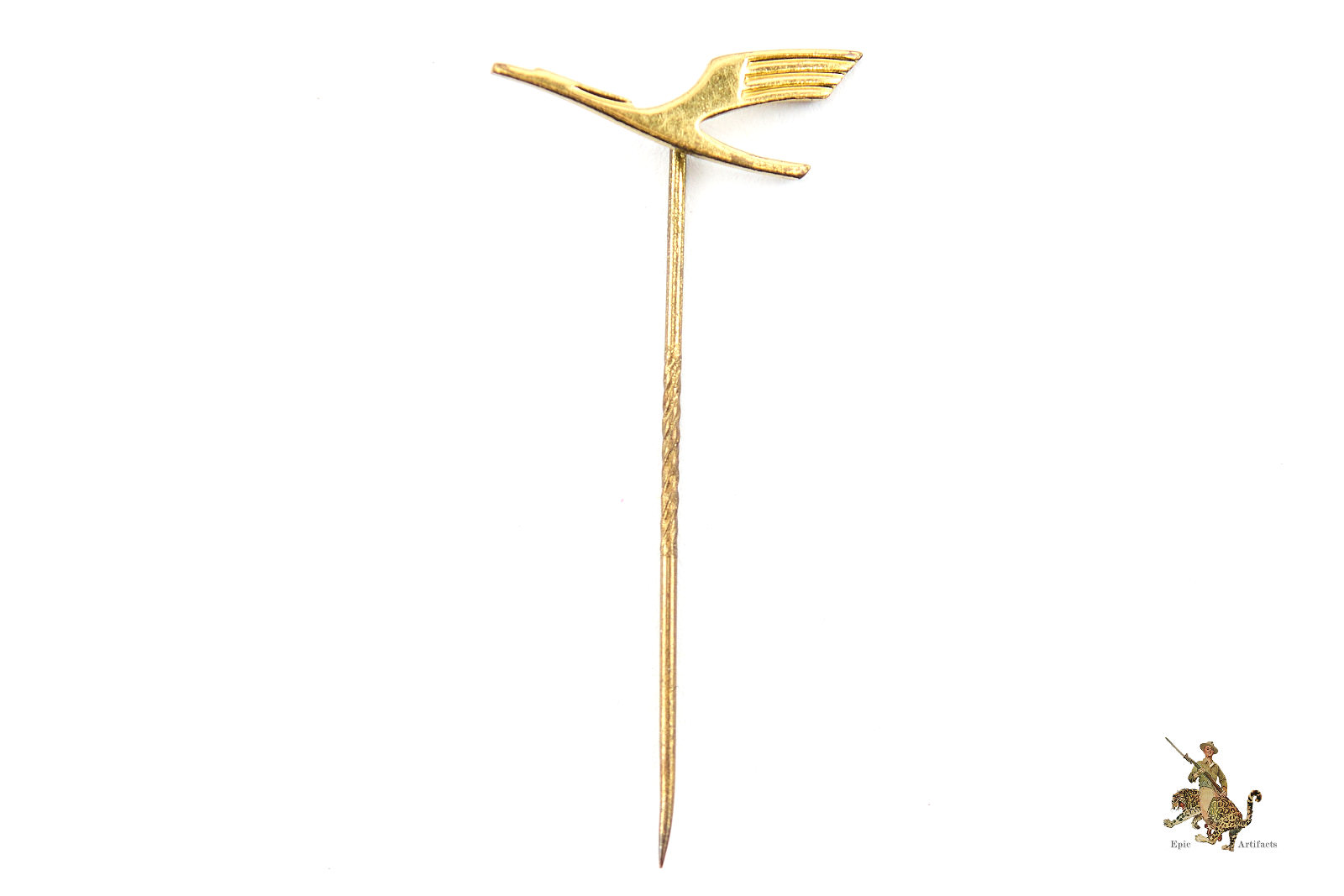
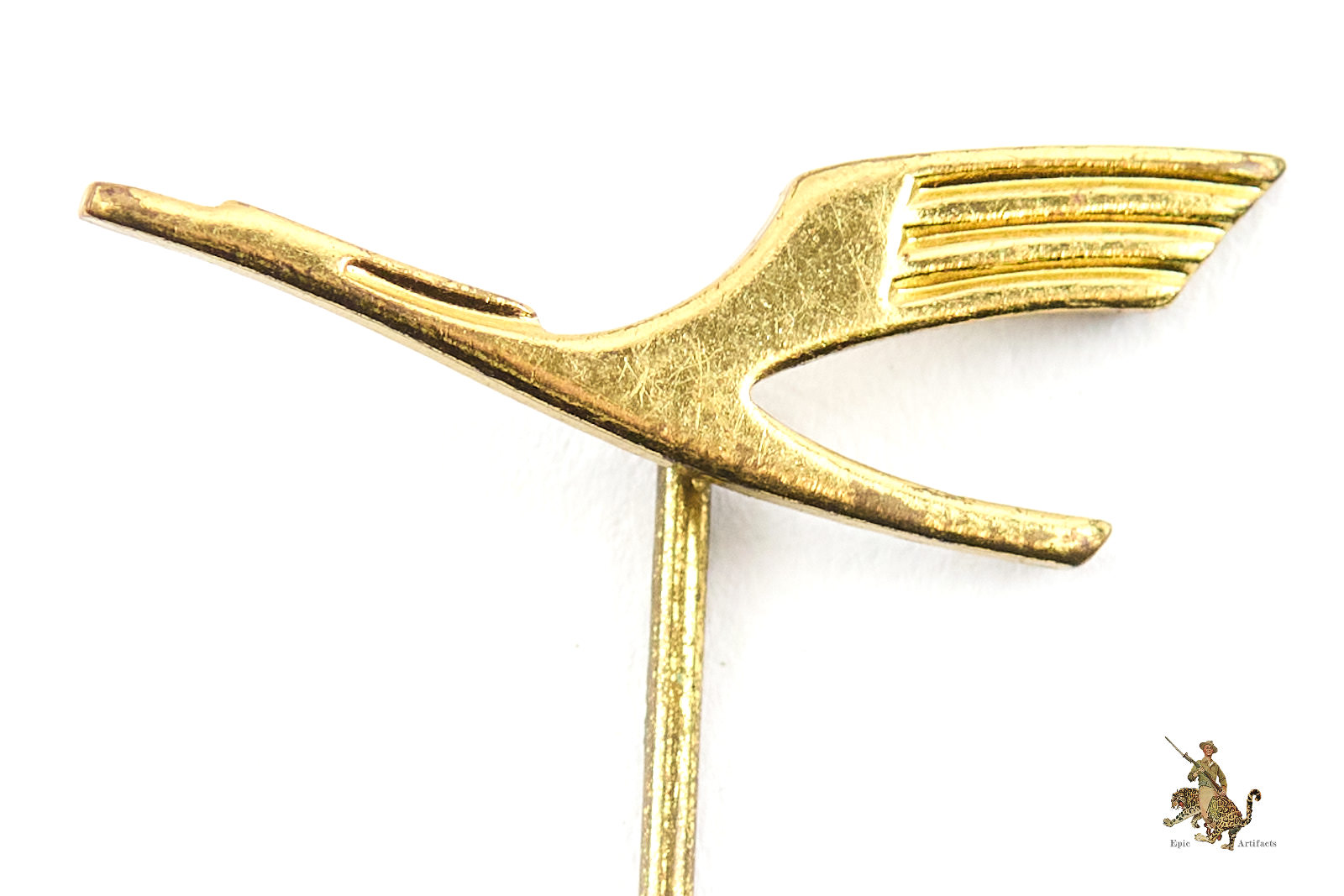
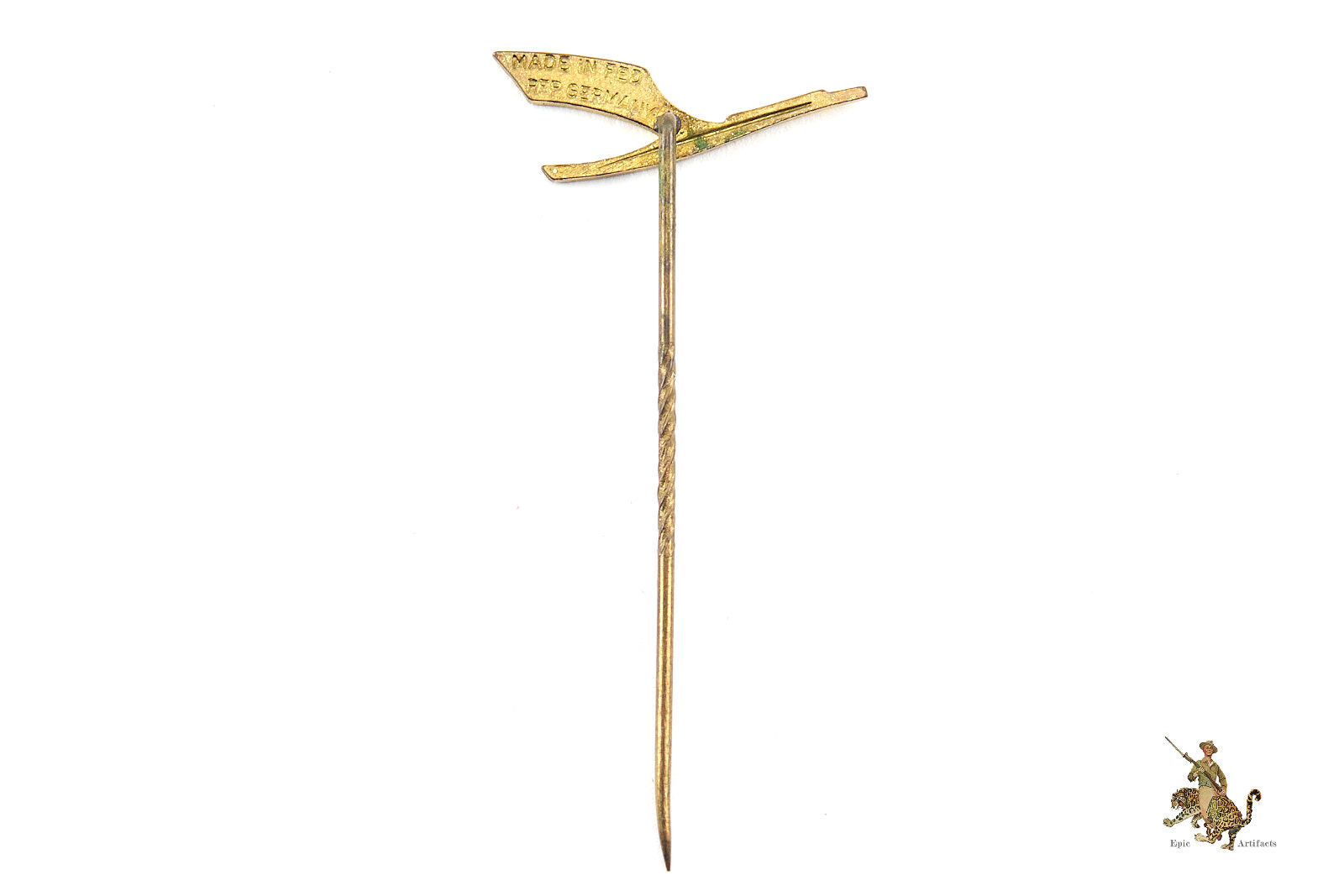
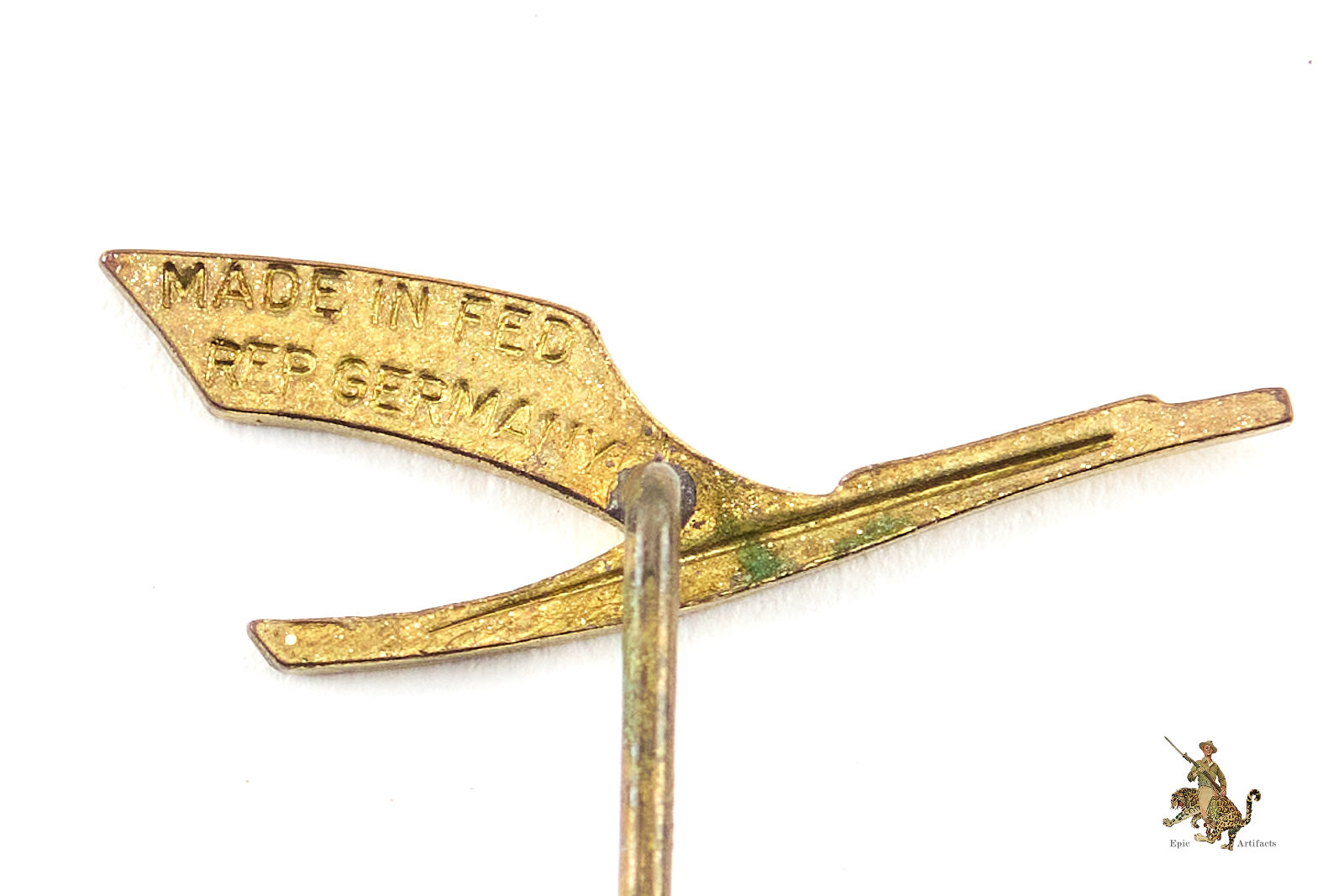
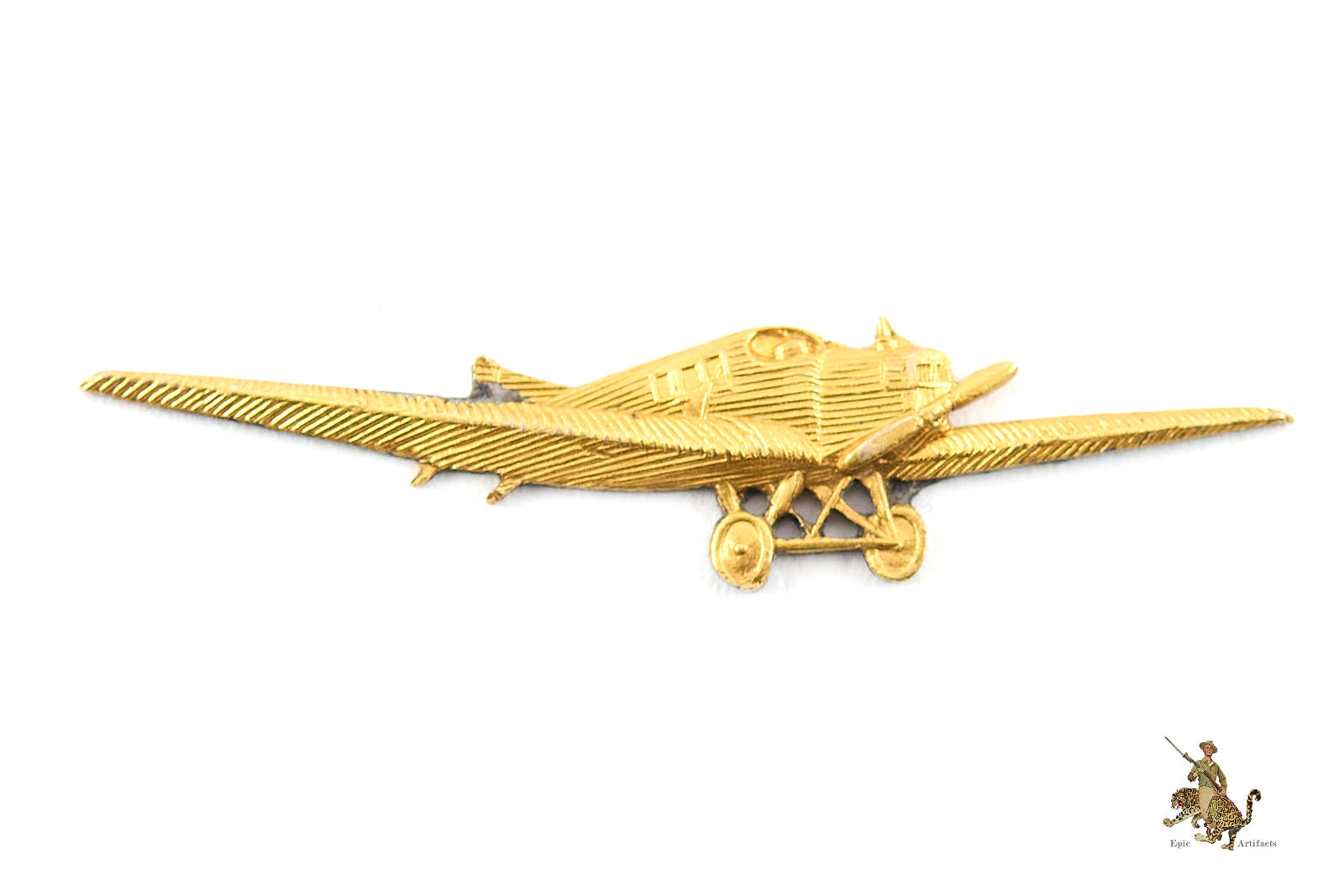
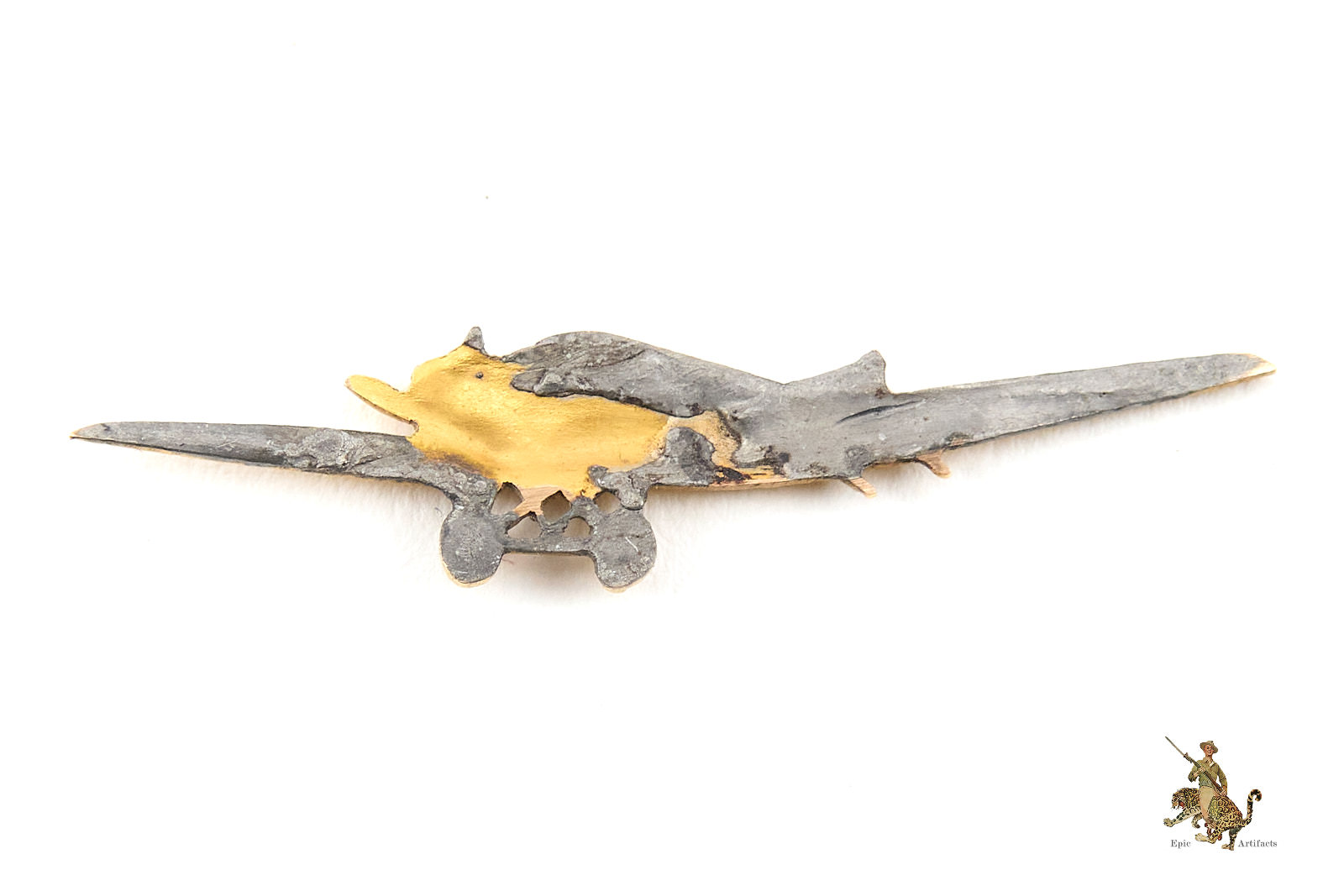
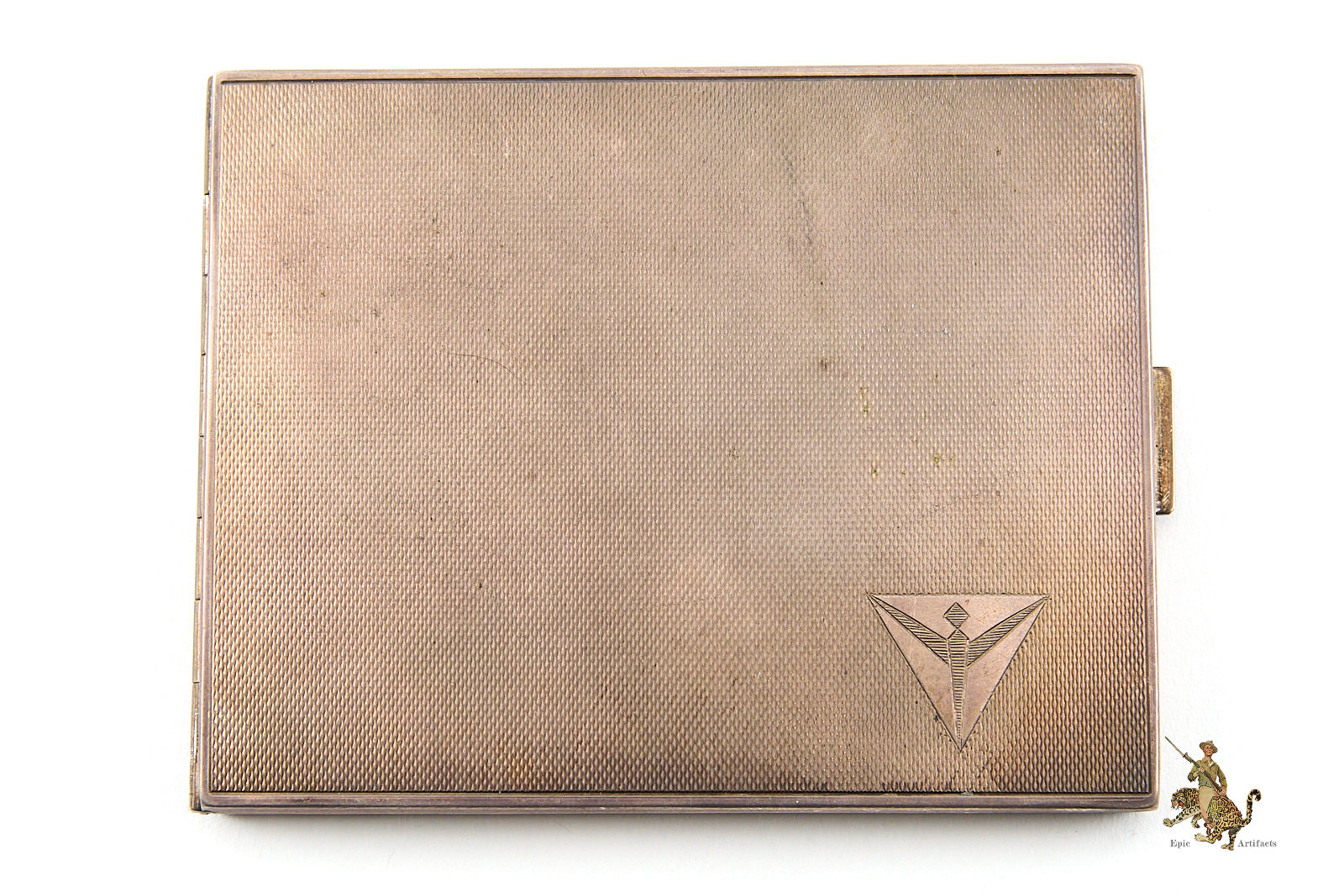
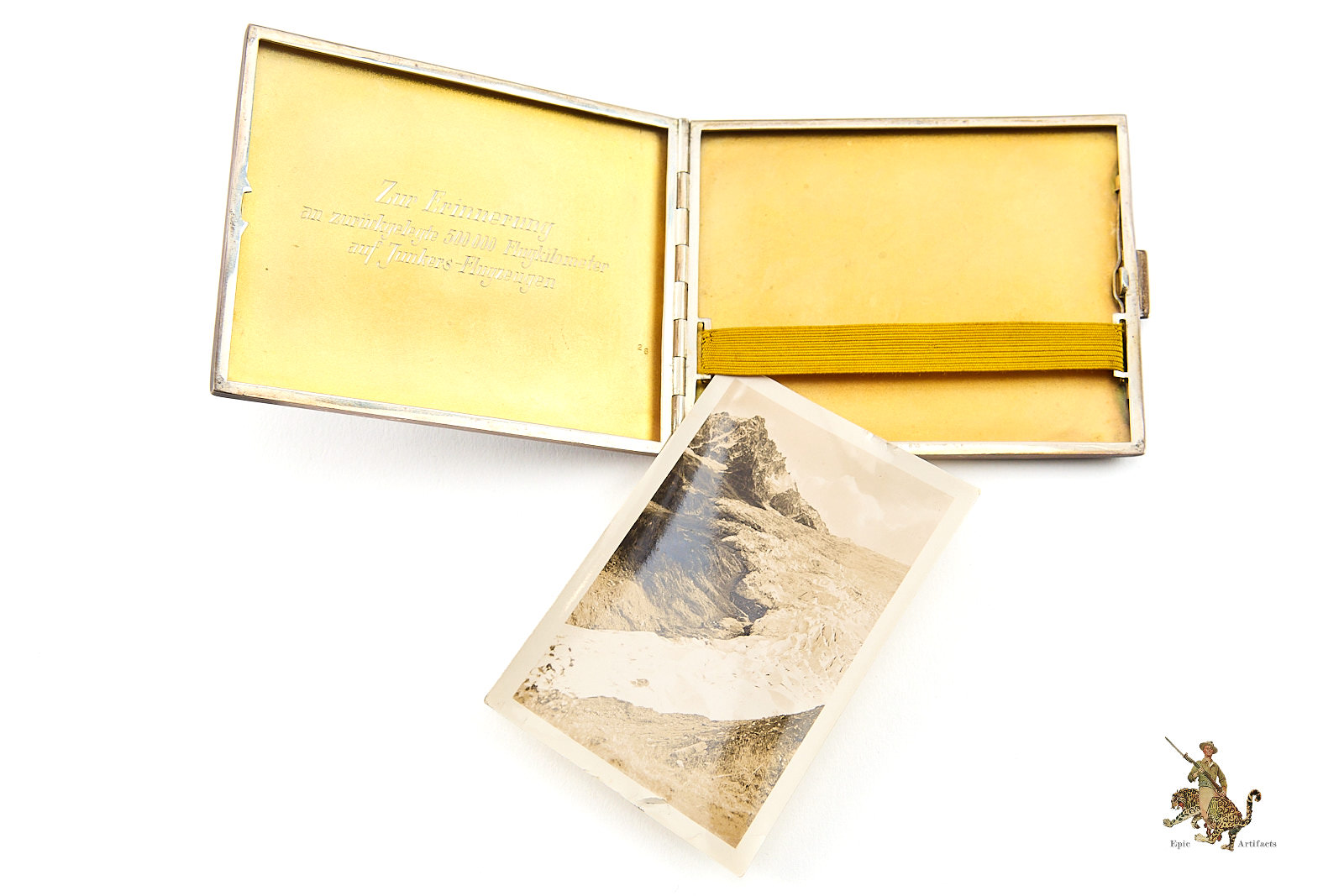
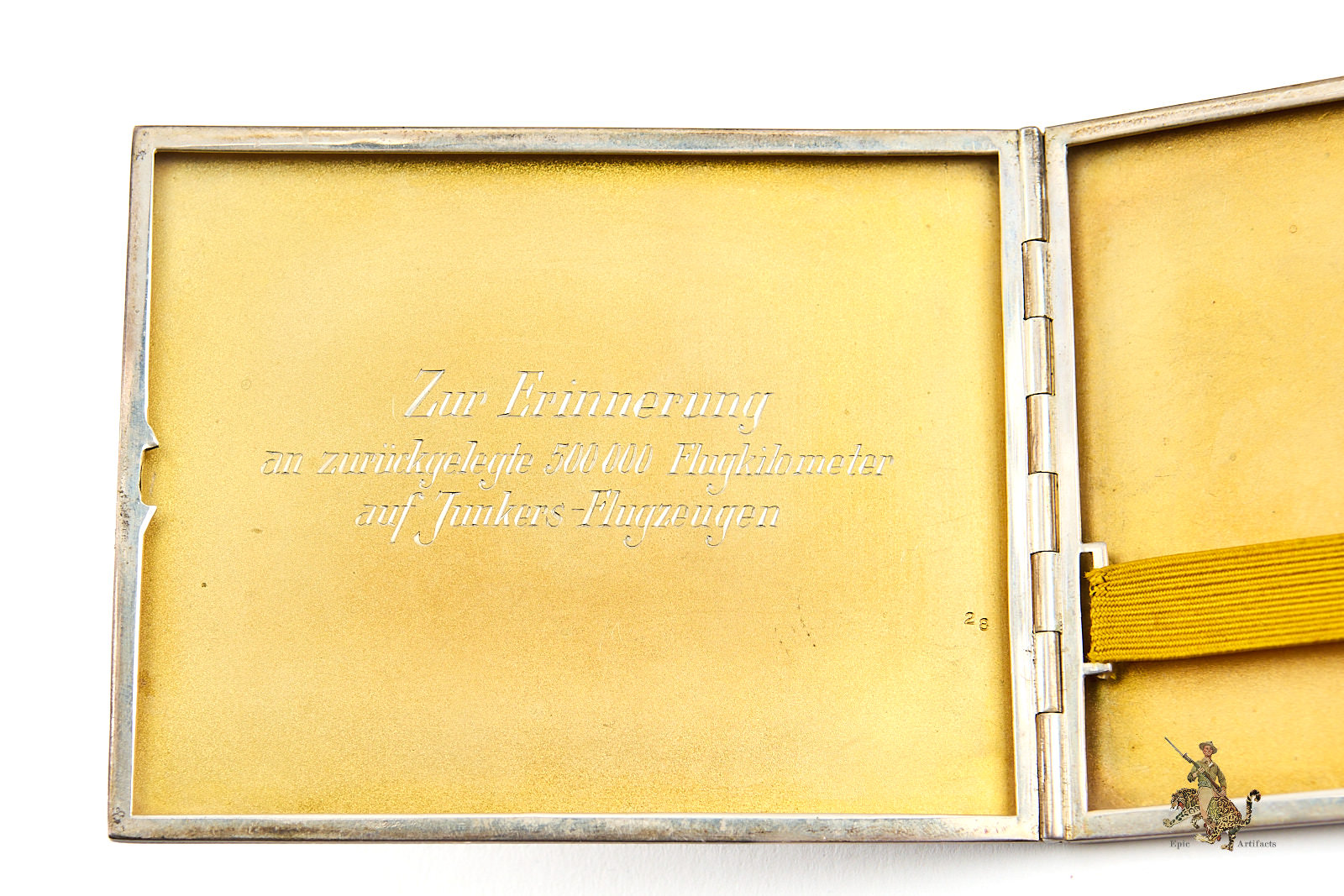
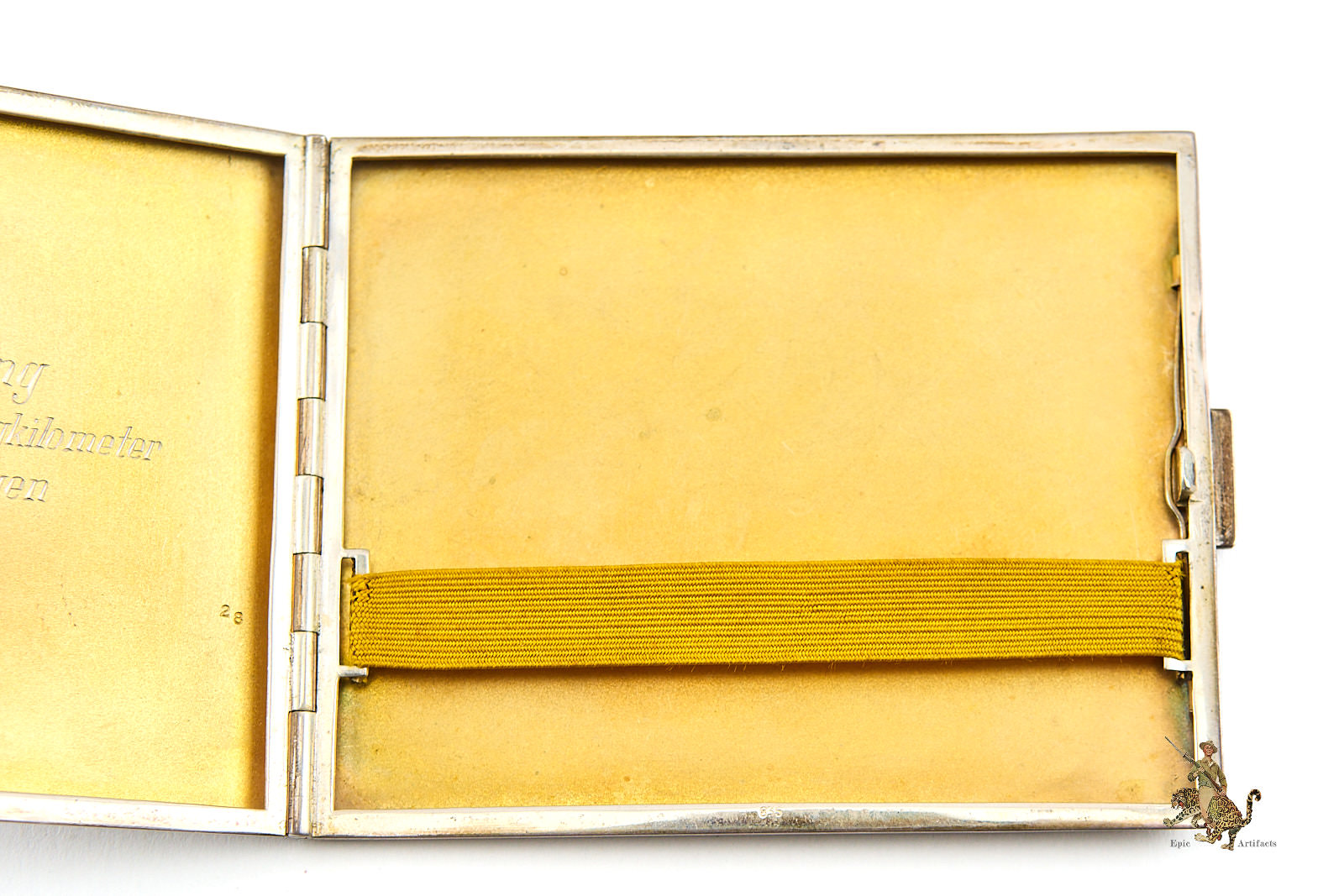
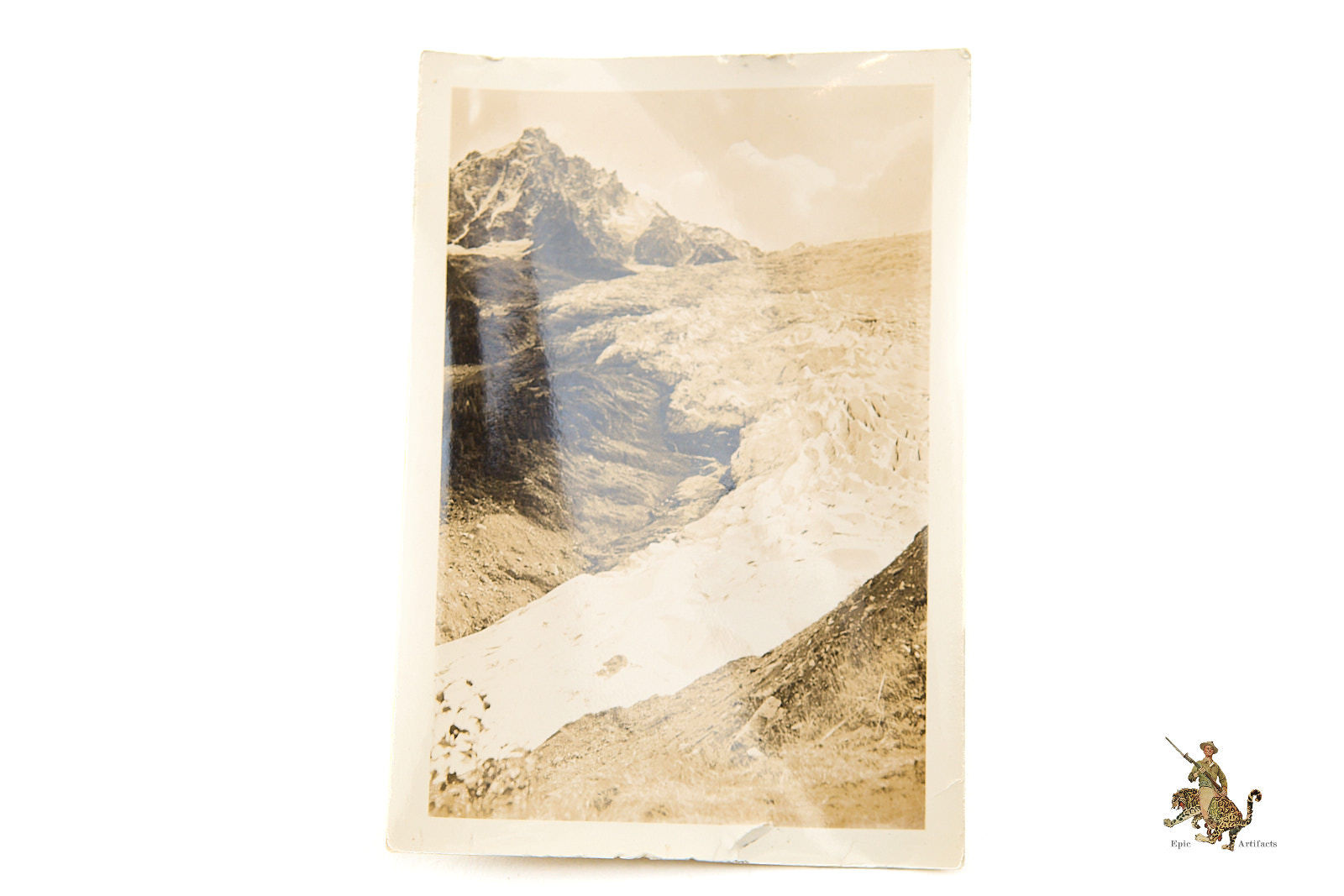
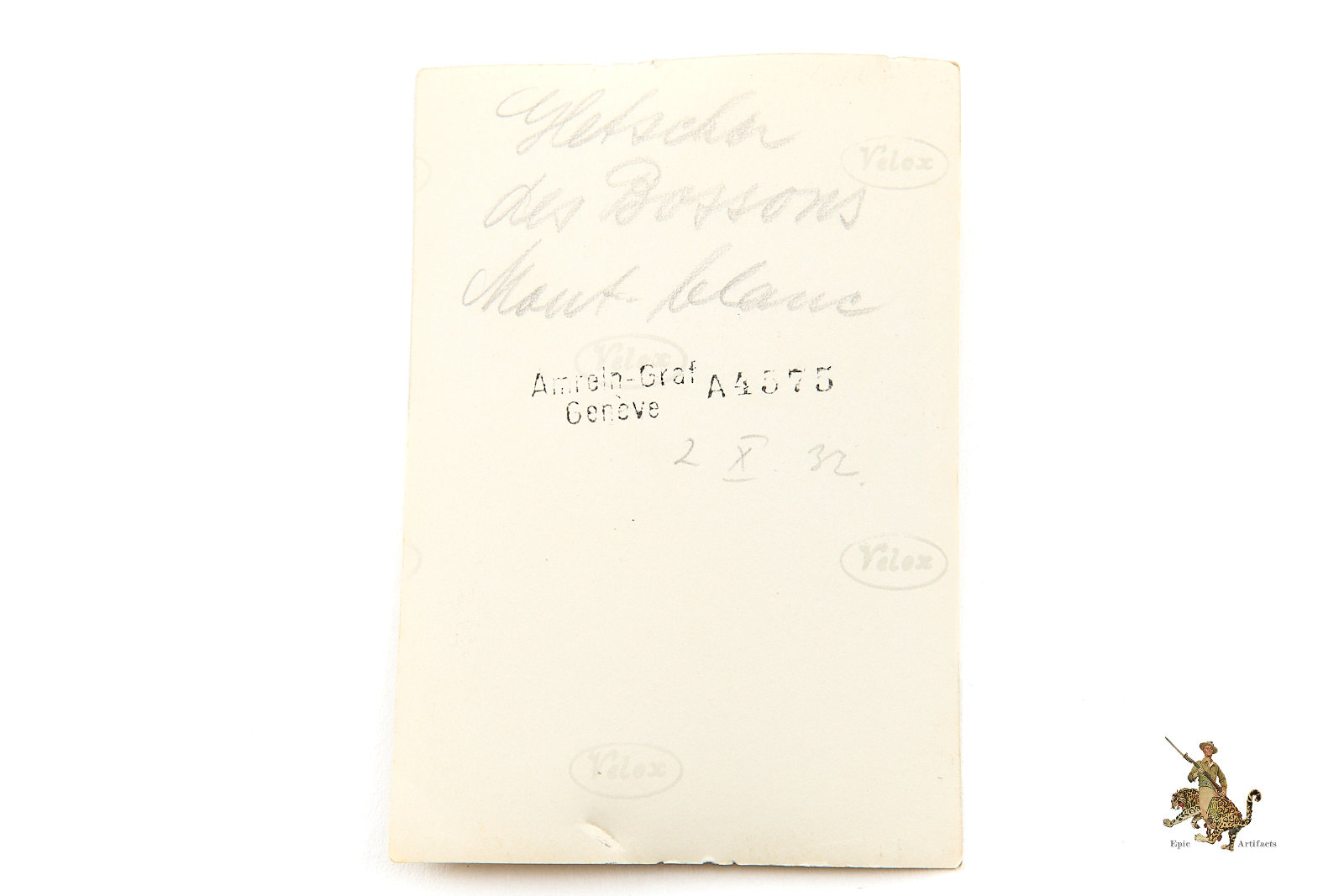
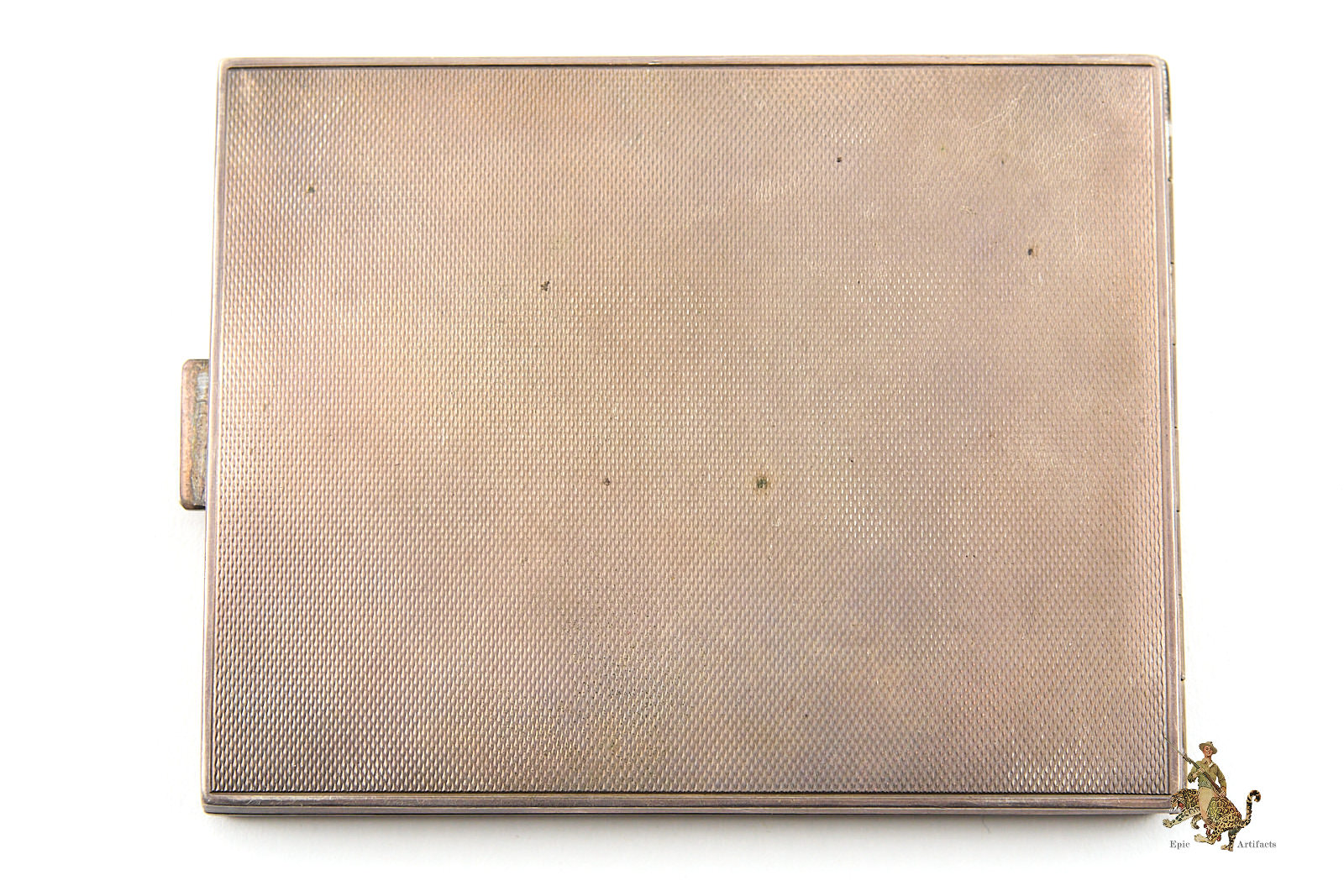
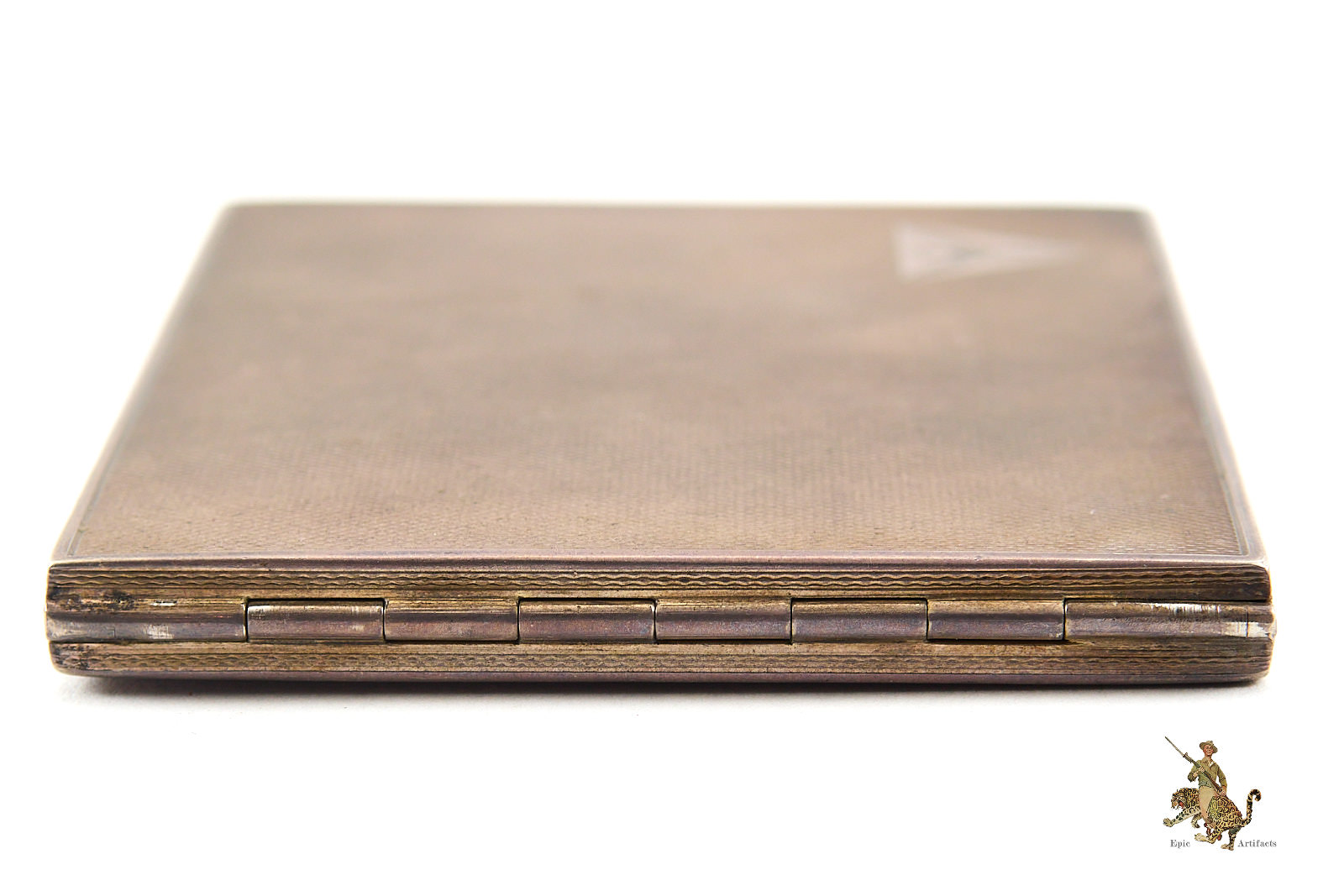
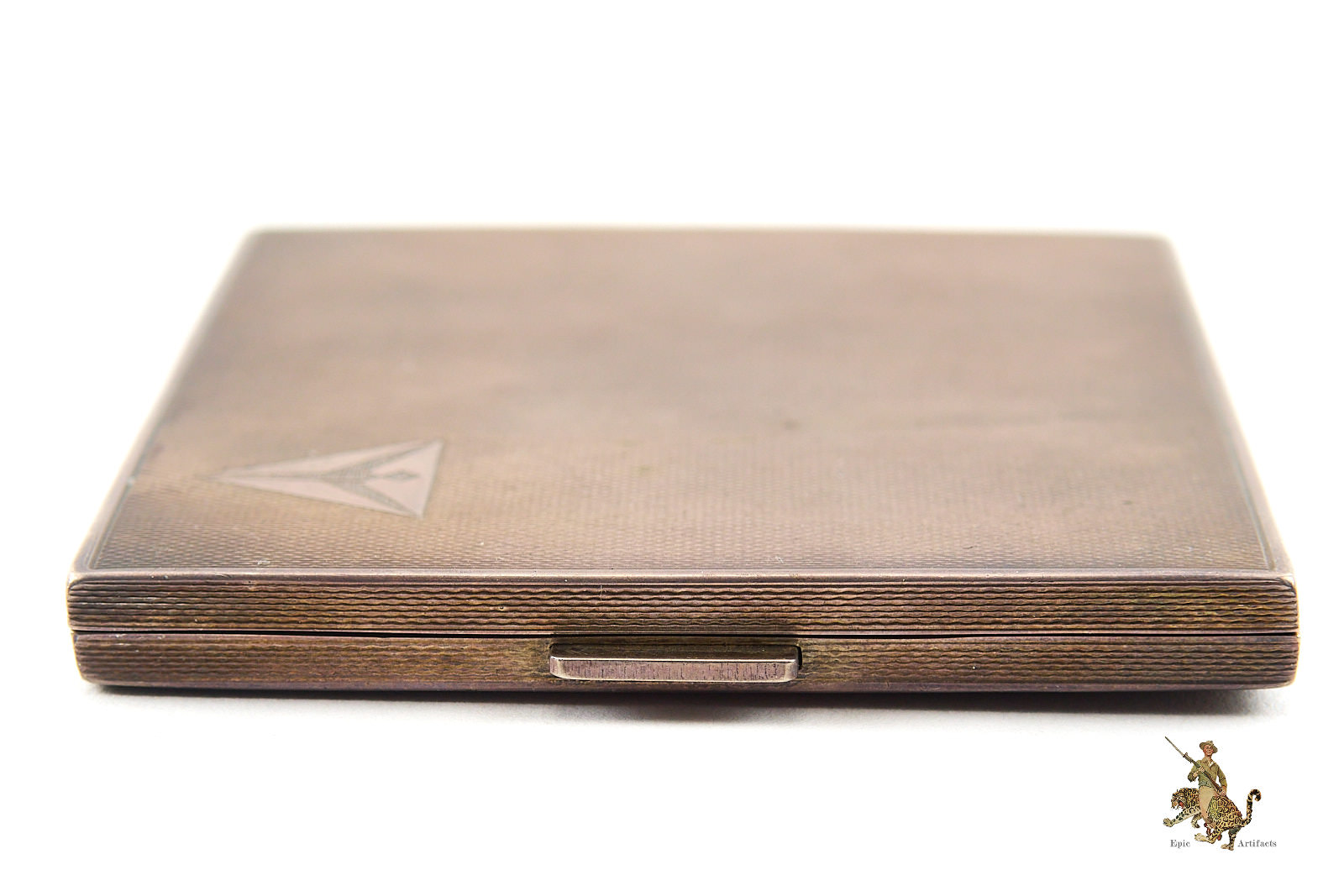
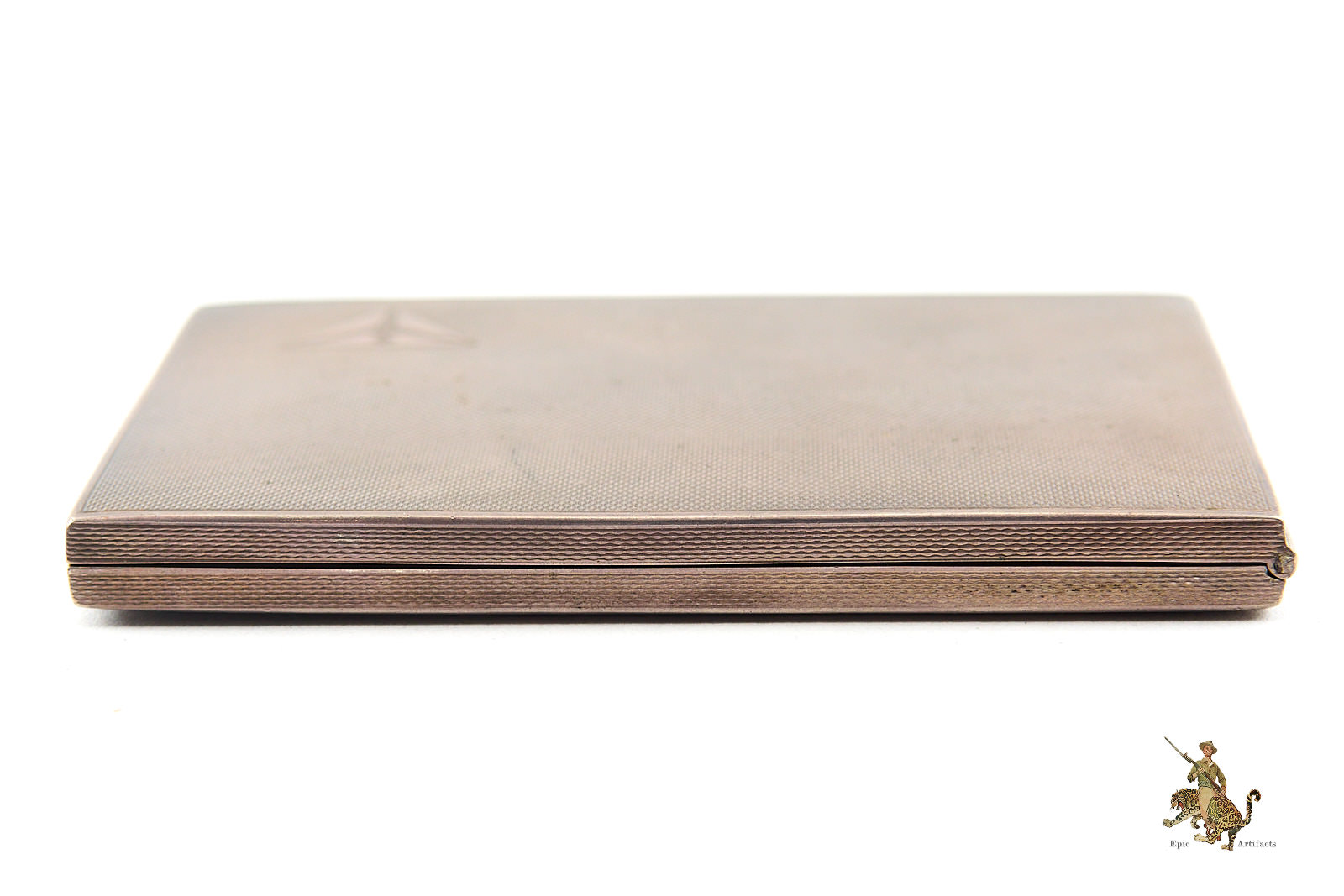
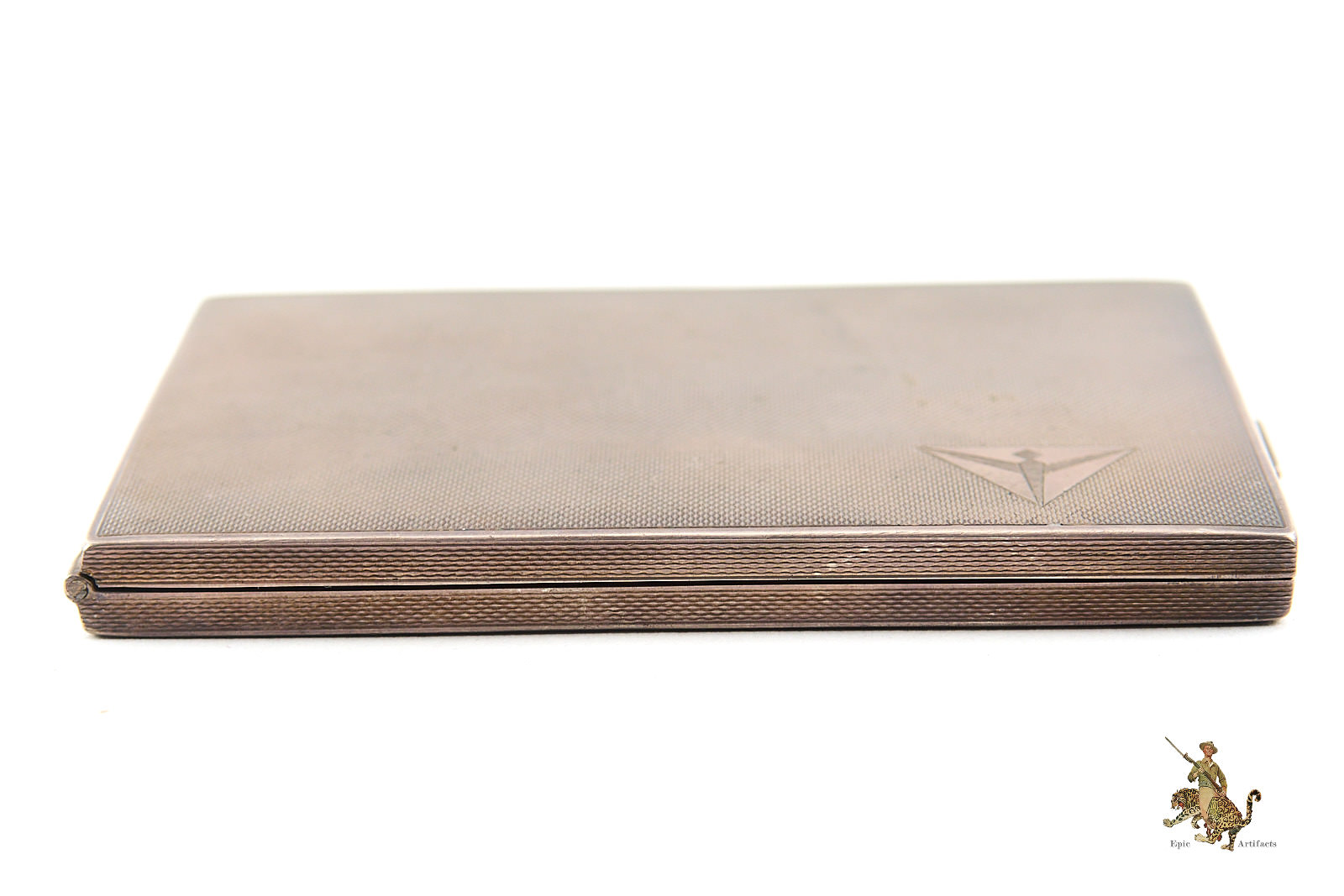
Further contents include a Junkers aircraft stickpin (lacking pin), a Lufthansa stickpin, a photographic image of a glacier, and a Junkers-marked cigarette case engraved internally: “Zur Erinnerung an zurückgelegte 500,000 Flugkilometer auf Junkers-Flugzeugen,” commemorating 500,000 kilometers flown aboard Junkers aircraft.
Originally consigned alongside a set of Condor Legion pilot wings (offered separately), this grouping is presented as found, with only the separation of those wings from the original assembly. While no pilot identification is known, the assemblage suggests a compelling narrative of a career spanning Lufthansa civil aviation, Luftwaffe service, and involvement in the Spanish Civil War era Condor Legion. Overall, the WWII Luftwaffe Lufthansa Pilot Grouping offers a rare and cohesive insight into the overlap between commercial aviation, military service, and interwar German flight operations.
Historical Description: During the interwar period and into the Second World War, the relationship between Deutsche Luft Hansa (commonly known as Lufthansa) and the Luftwaffe was shaped by Germany’s rearmament and the overlap between civilian and military aviation. Following the restrictions imposed by the Treaty of Versailles, Germany used civil aviation as a means to preserve and develop aeronautical expertise. Lufthansa played a key role in this process by training pilots, testing aircraft, and maintaining infrastructure that could later support military aviation. Many Luftwaffe personnel, including pilots and technical staff, had prior experience with Lufthansa, creating a direct pipeline of trained specialists.
Once the Luftwaffe was formally established in 1935 under Hermann Göring, the connection became more pronounced. Lufthansa aircraft, routes, and maintenance networks were at times utilized to support military logistics, reconnaissance, and transport functions, particularly in the early years of the war. Although Lufthansa remained a civilian entity in name, its operations were increasingly integrated into the broader wartime aviation structure. This relationship illustrates how civilian institutions were adapted to serve military objectives, blurring the line between commercial aviation and armed service in Nazi Germany.
We are the leading team of military antique specialists. We have specialized in military antiques for over 25 years.
Epic Artifacts offers free evaluations and the highest prices available for your collectibles.
We purchase single items, entire collections, or family estates.
Click the link here to learn more: Free Evaluation or Inquiries
or feel free to email us directly: info@epicartifacts.com