
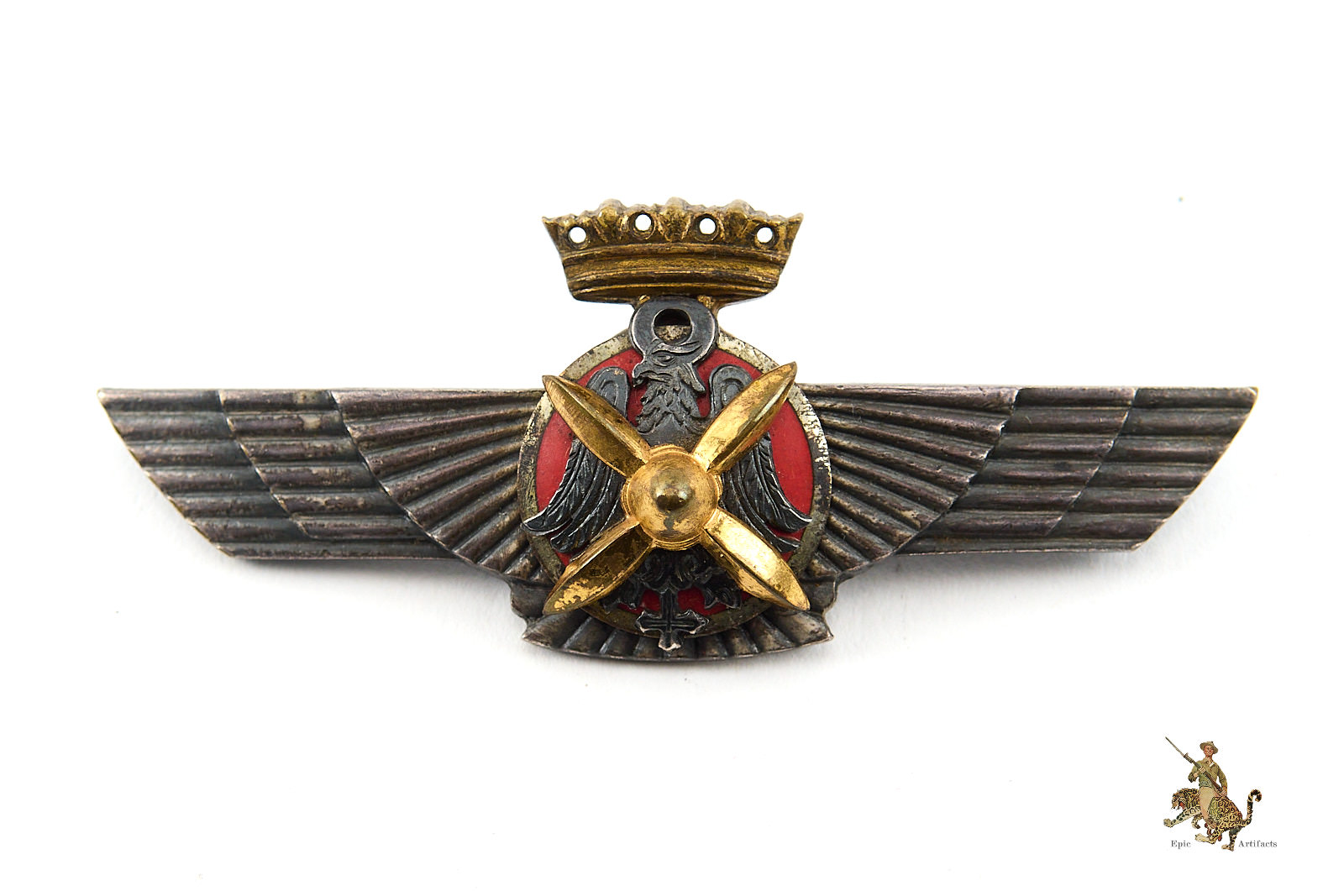
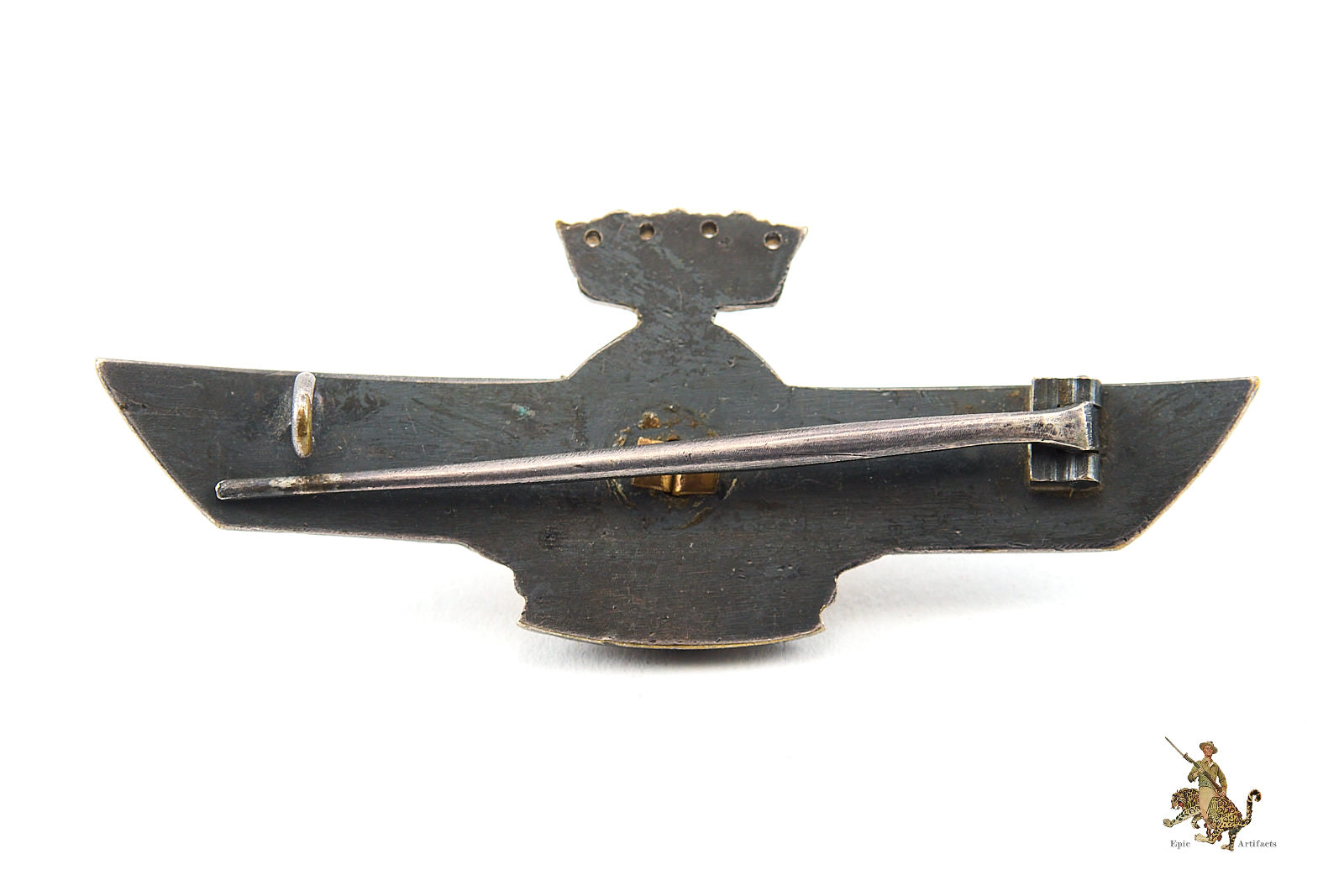
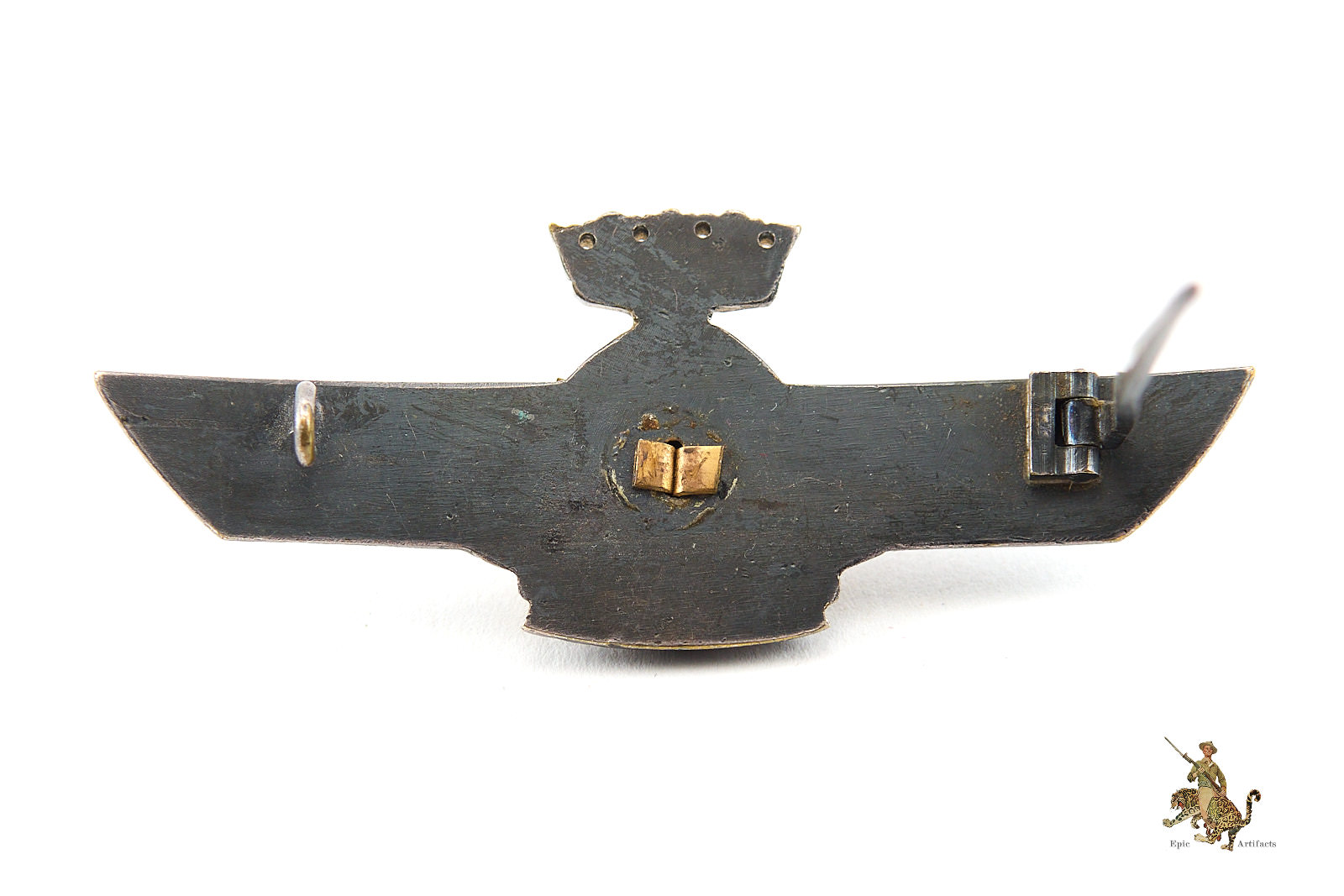
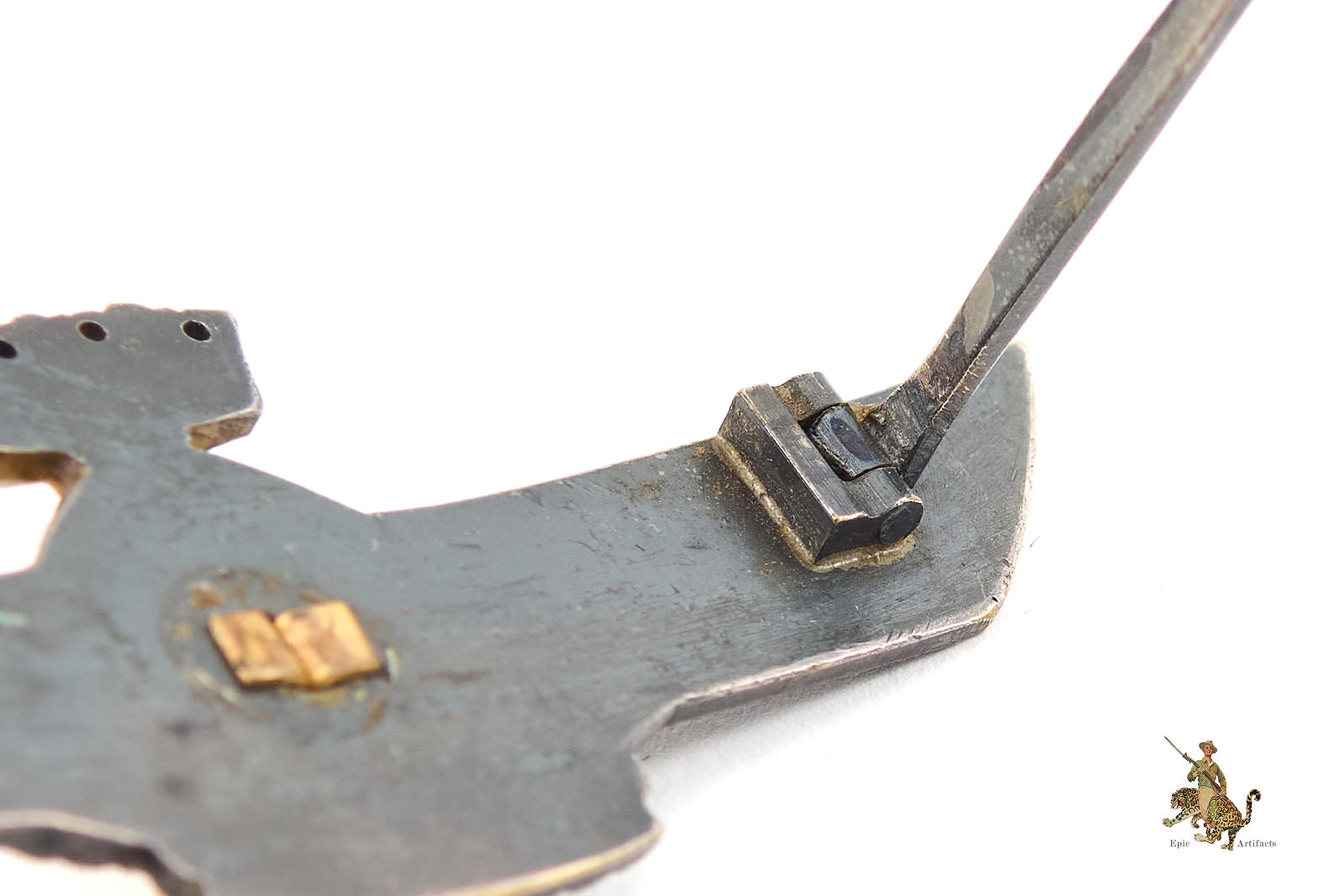
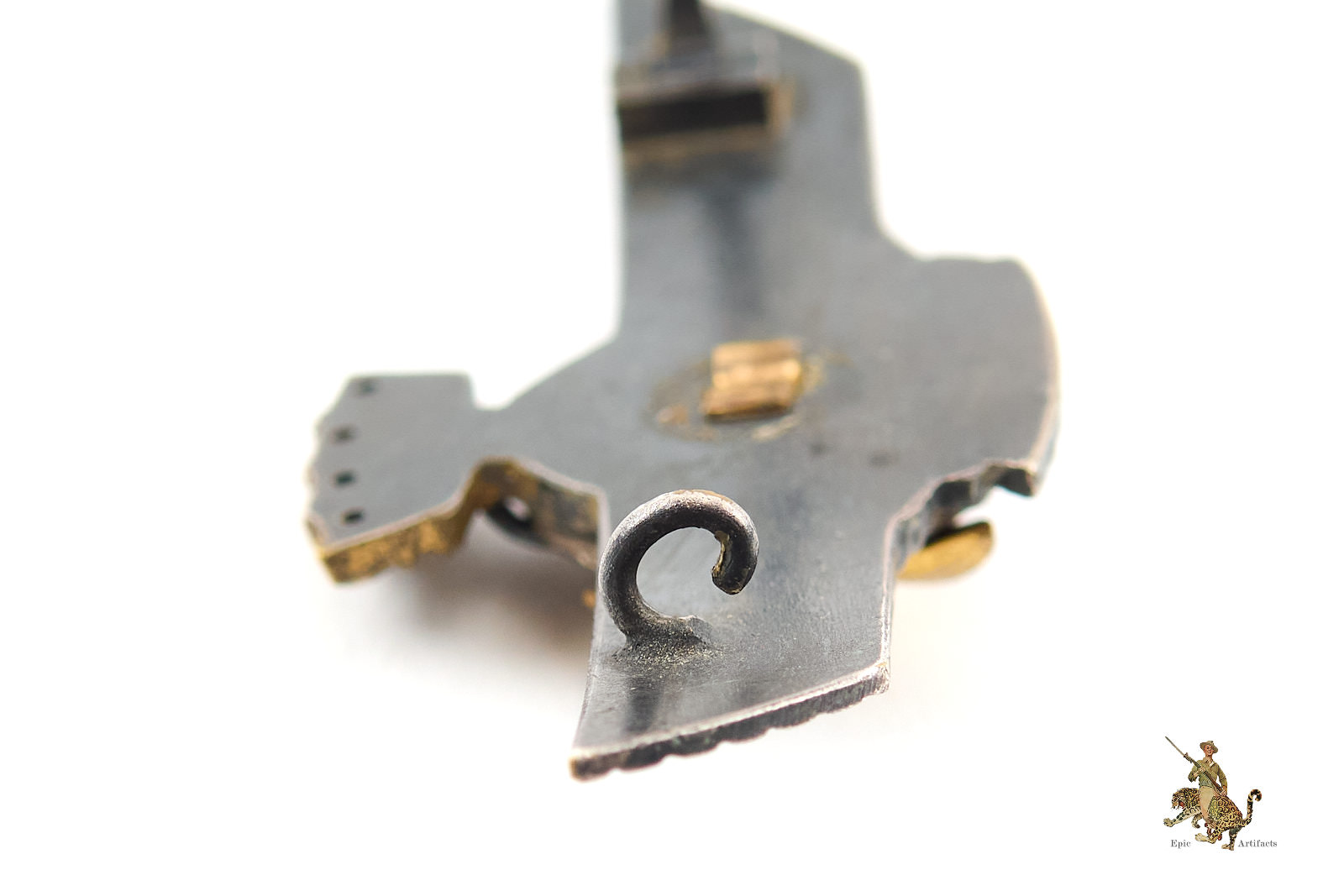
Established in 1936 following the outbreak of war, the Condor Legion provided aircraft, armored units, artillery, signals, and logistical support. Its presence significantly enhanced Nationalist military capability, particularly through air superiority, close air support, and coordinated ground operations. The Legion played a prominent role in several major engagements, most notably the aerial bombardment of Guernica in April 1937, an event that drew international condemnation and later became emblematic of the devastating potential of modern aerial warfare.
Beyond its immediate military impact, the Condor Legion served as a proving ground for German equipment, tactics, and personnel. Aircraft such as early models of the Messerschmitt Bf 109 fighter and Heinkel bombers were tested under combat conditions, and operational doctrines—particularly those involving combined arms and air-ground coordination—were refined in advance of the Second World War.
The Legion remained active in Spain until the conclusion of hostilities in March 1939. Its members were formally recognized after their return to Germany, most notably through the institution of the Spanish Cross (Spanienkreuz) in April 1939, which acknowledged both campaign service and acts of merit. Historically, the Condor Legion is regarded as both a decisive factor in the Nationalist victory and a precursor to the broader military strategies that would shape the early years of the Second World War.
